Pigi Blog
Ideas, stories, and simple money conversations for parents, kids, and teachers.
Kids’ birthday party on a budget: ideas and a sample plan
Cheap birthday party ideas for kids: plan the cake, guests, and activities without a spending contest, with a complete sample budget.
Repair or buy new? Teaching kids to value their things
How to teach kids to value things: a broken zipper or a damaged toy starts a conversation about cost, care, and repair vs. buying new.
A family day out on a budget: plan it with your kids
Plan a cheap family day out together: split the money for transportation, food, and small treats with your kids before you head out.
School fair ideas: teaching kids cost, revenue, and profit
School fair and market day ideas for ages 10–14: rotating roles, a worked profit example, and reflection questions after the fair.
Online shopping with kids: price, shipping, and returns
Turn an online order into a lesson on comparing prices, shipping costs, and returns, without leaving the payment to your child.
Family subscriptions and free trials: how to check and cancel
How to review and cancel your family’s subscriptions and free trials, from apps to streaming, and how to explain it to your kids.
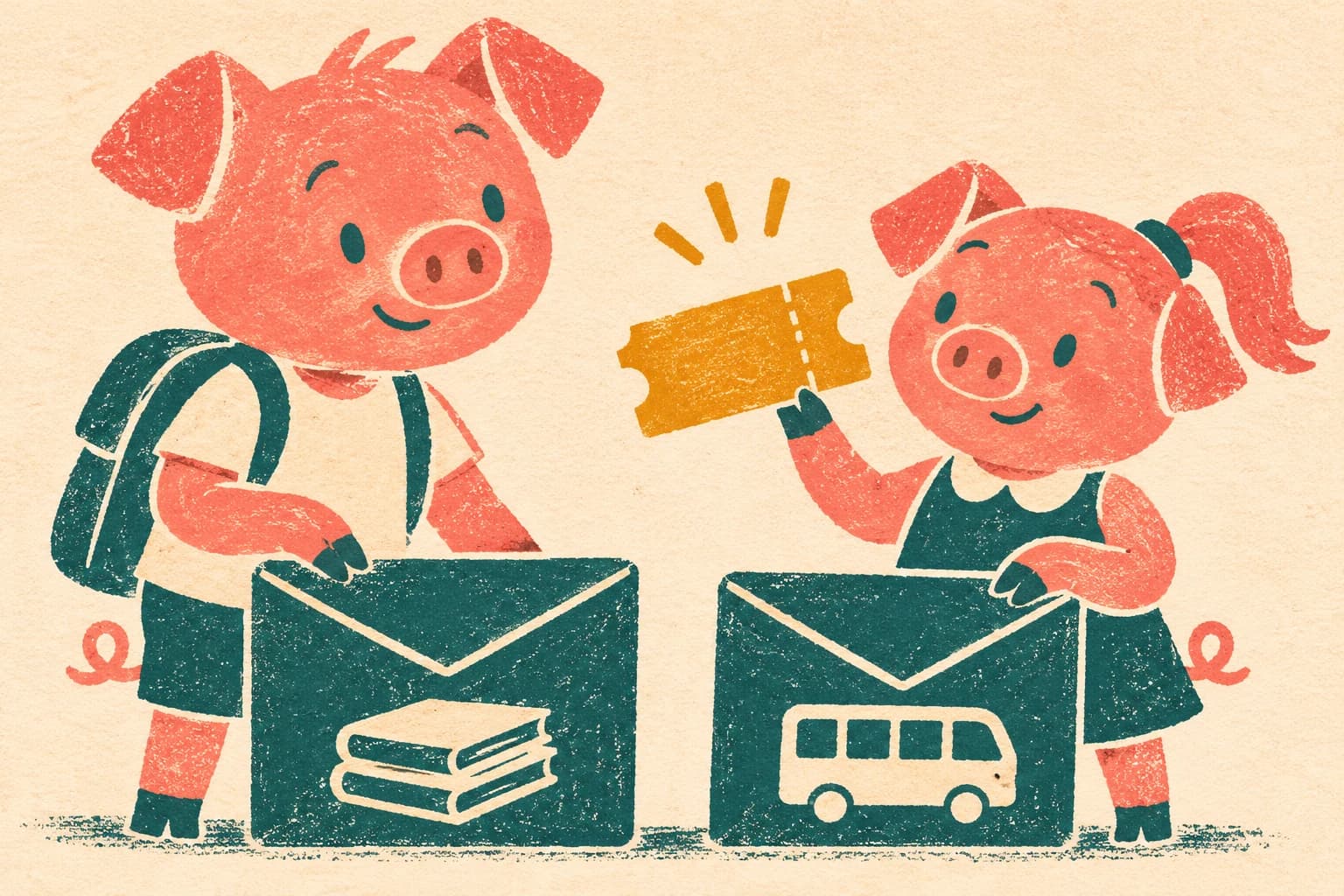
Allowance for siblings: is fair the same as equal?
How to give siblings different allowances without a competition: separate needs, responsibilities, and the money each child spends.
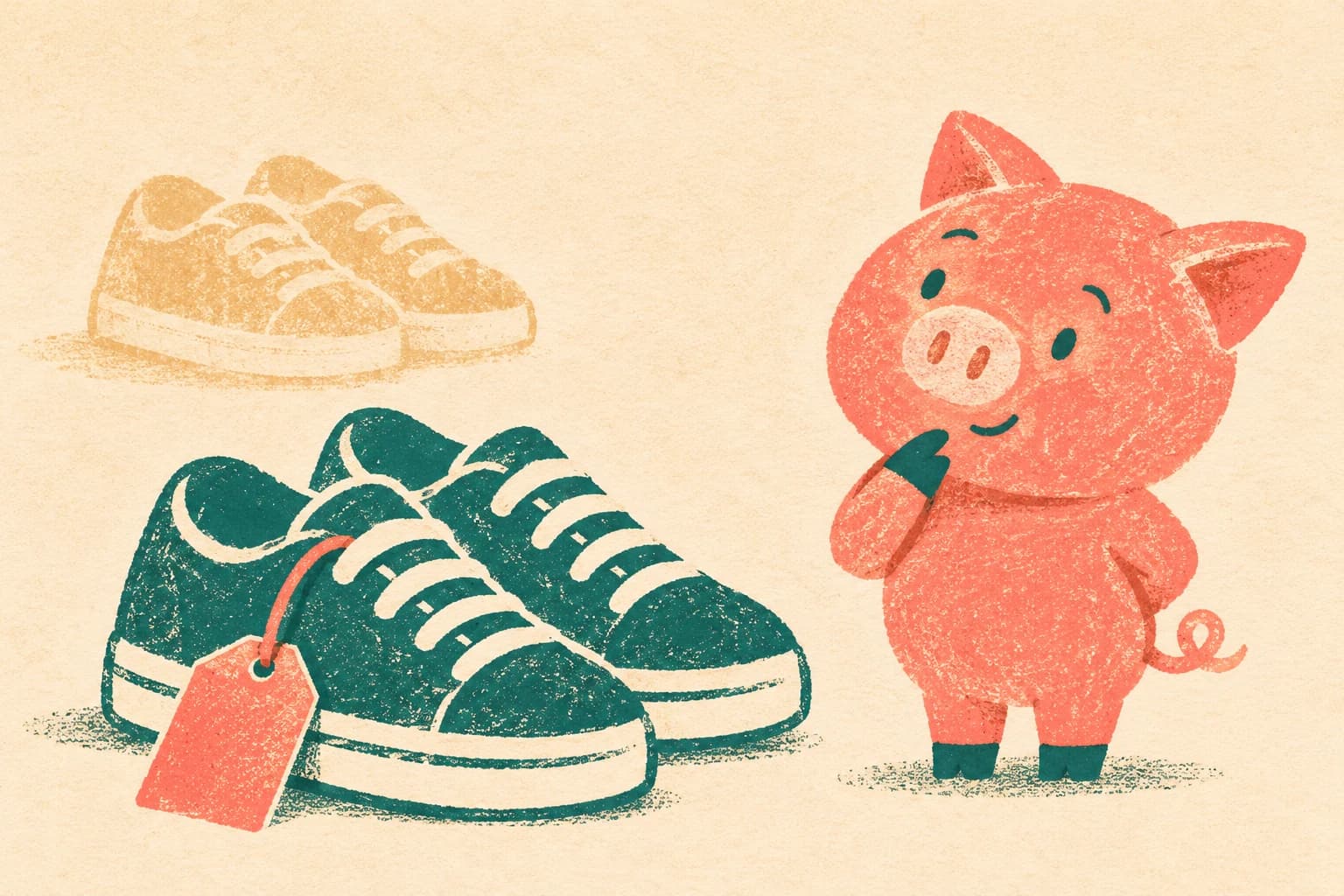
“Everyone has one”: kids, brands, and peer pressure
When your child wants expensive sneakers or a phone because “everyone has one”: how to talk about brands, peer pressure, and money.
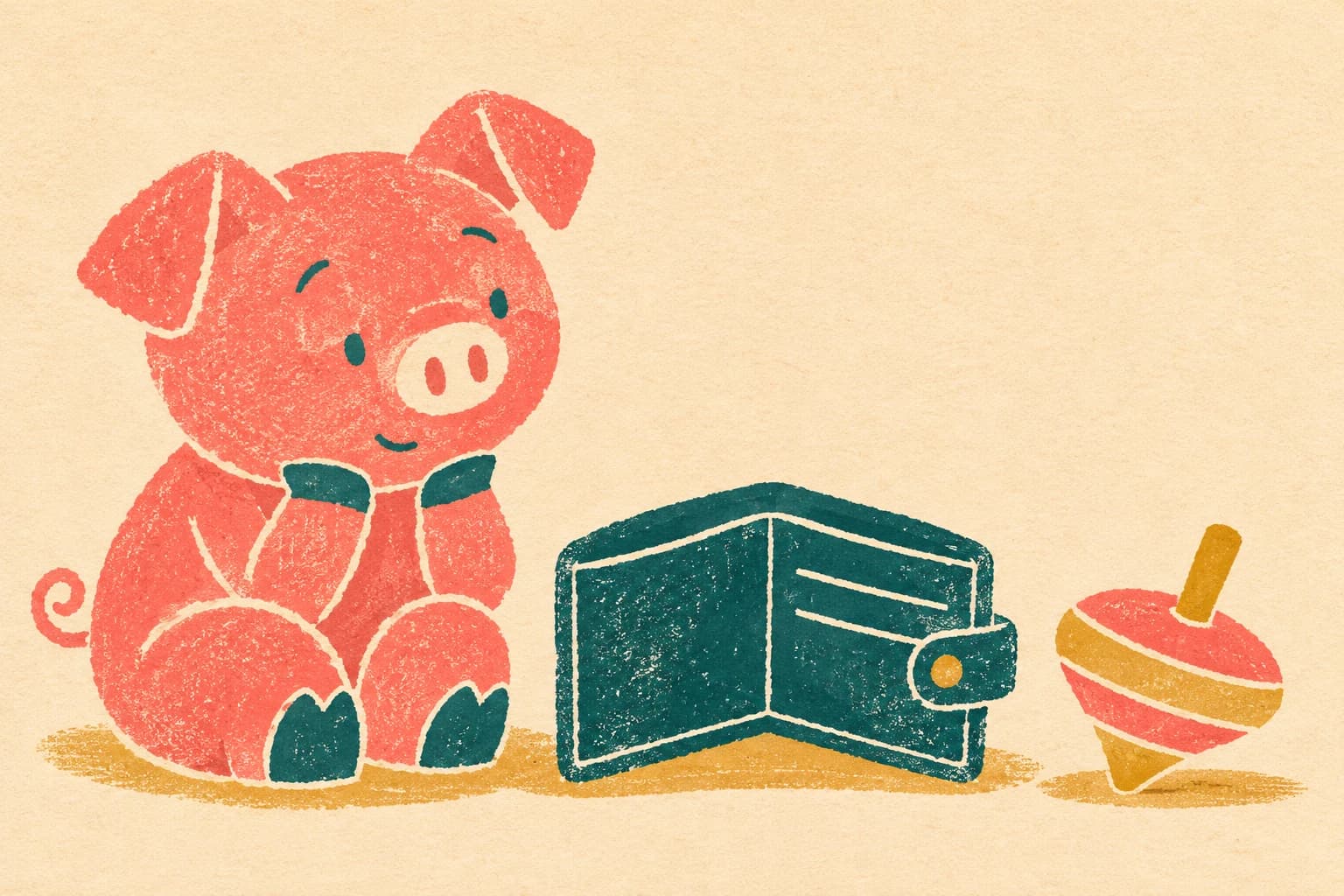
When your child spends their allowance right away
A shame-free plan for when allowance runs out early: what the parent covers, what can wait, and how to help your child make it last.
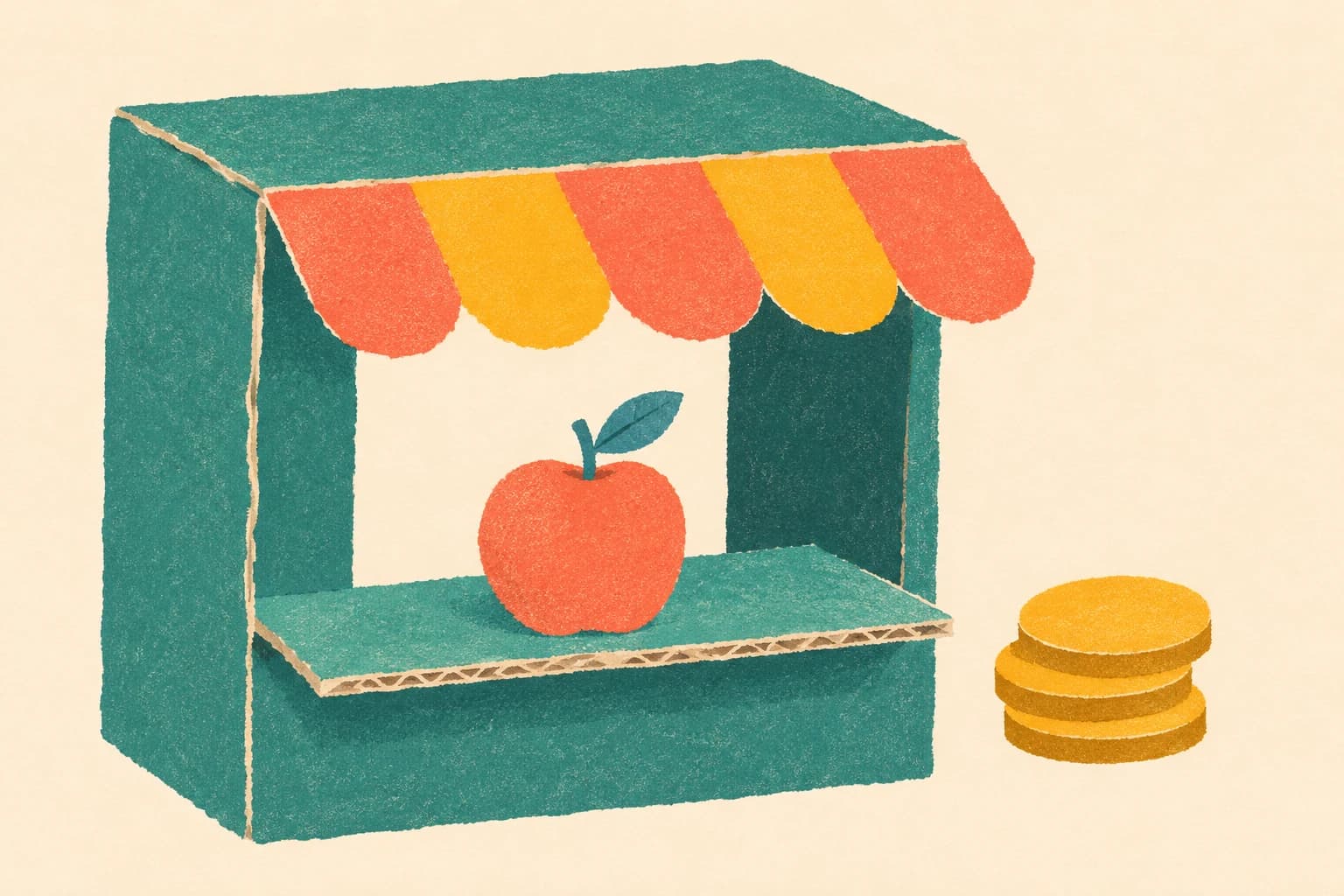
5 money games for kids to play at home
Easy money games for kids at home: a cardboard-box store, a receipt with a mistake, and three more games for counting, choosing, and planning.
Kids’ savings accounts in Albania: what to ask the bank
Opening a savings account for your child: ownership, withdrawals, fees, interest, and deposit insurance. A practical checklist for the bank.
Teaching kids about advertising and influencers
How to teach kids to spot ads in videos and influencer posts, from discount codes to the urge to buy something that just popped up.

How to talk to kids about money when it’s tight
Talking to kids about money problems: clear words for budget changes, limits without blame, and ways to involve them without worry.
Back-to-school budget: a simple family plan and list
A back-to-school budget for the backpack, notebooks, and first expenses: what you have, what’s missing, and what can wait.
Online scams targeting kids: how to protect your child
How to protect kids from online scams: three practice scenarios and a clear plan for when your child has already clicked or shared information.
How to stop your kids buying Robux without permission
Robux, V-Bucks, and in-app purchases: set clear limits, turn virtual prices into real money, and control payments on your child’s device.
Compound interest for kids: a simple example
Compound interest explained simply for kids, with a 2,000 lek example, how it differs from simple interest, and what to ask a bank.
Inflation explained for kids: a shopping-basket activity
What is inflation, explained for kids: why the same money buys less, and a family activity that tells a single price rise apart from inflation.
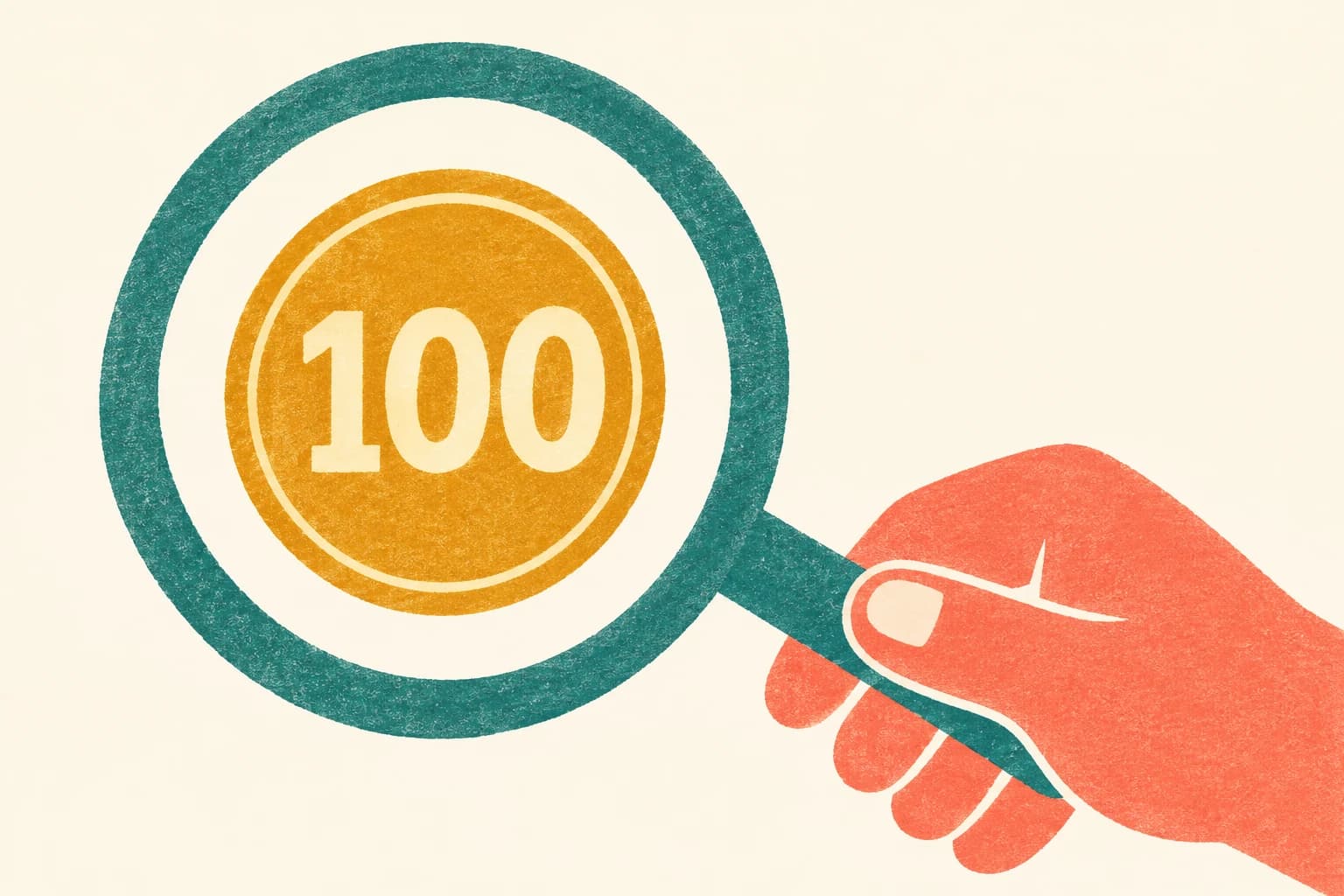
Old lek vs. new lek: how Albanians count money
Old lek vs. new lek explained: why 1,000 “old lek” is a 100-lek coin, how to convert (divide by 10), and a short game for kids.
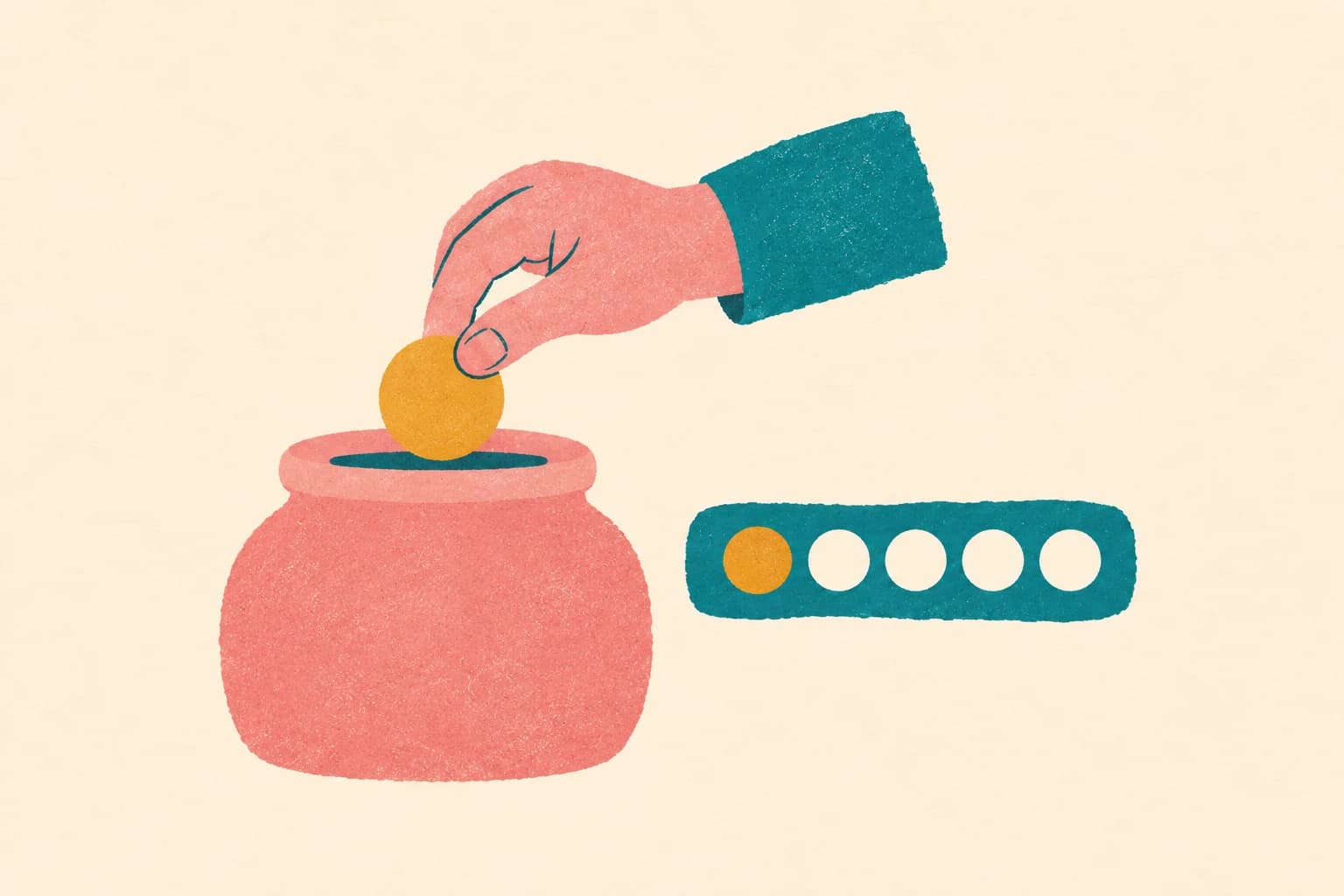
How to teach kids to save money, age by age
Teaching kids to save money from ages 5 to 14: from the first jar to a first budget, with achievable goals and a weekly check-in.
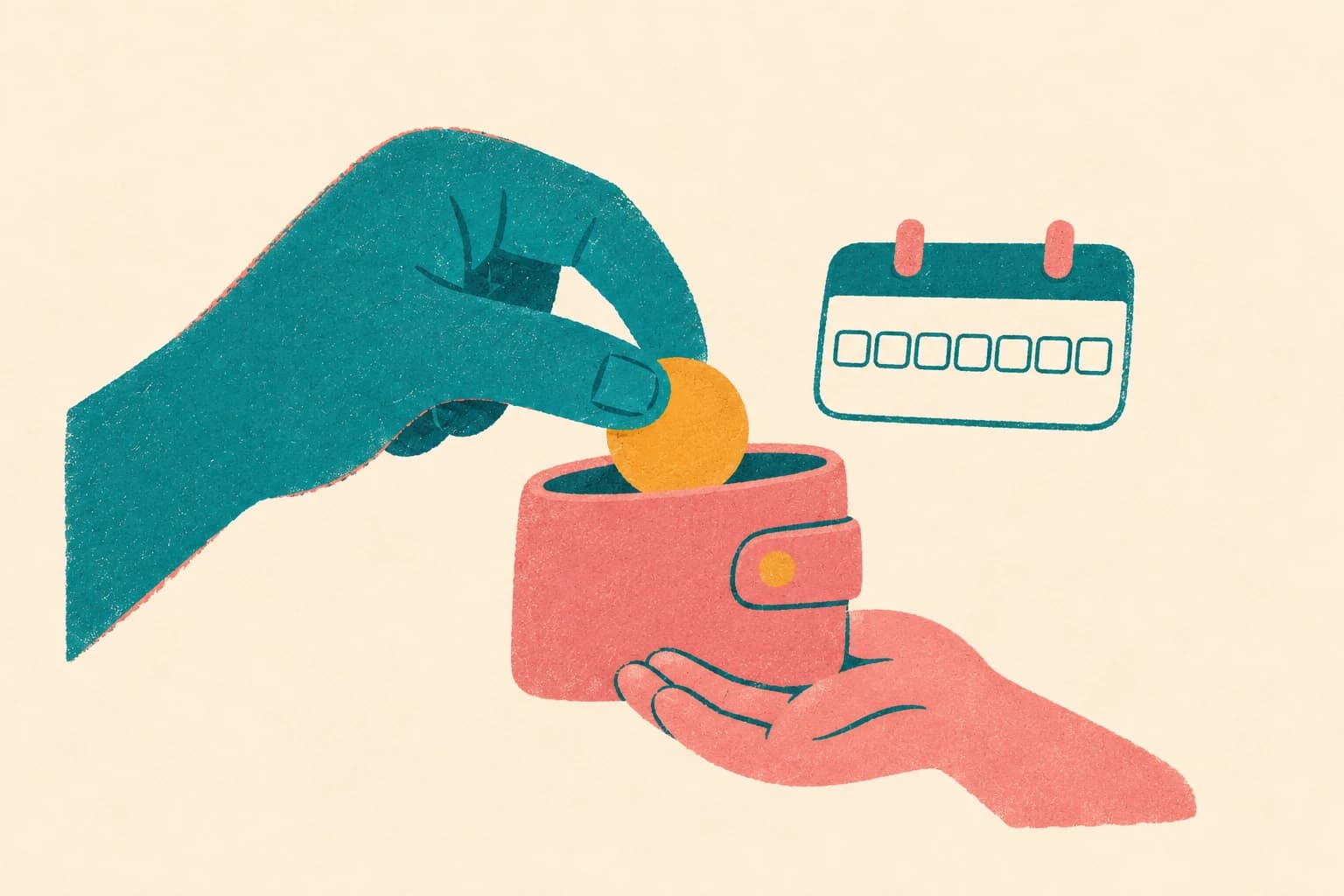
How much allowance should kids get? A guide by age
How much allowance to give by age: decide the amount, what it covers, how often to pay it, and what to do when it runs out early.

Should kids get paid for chores? A clear family plan
Should you pay kids for chores? How to separate everyday family contributions from paid extra missions, and make expectations clear.
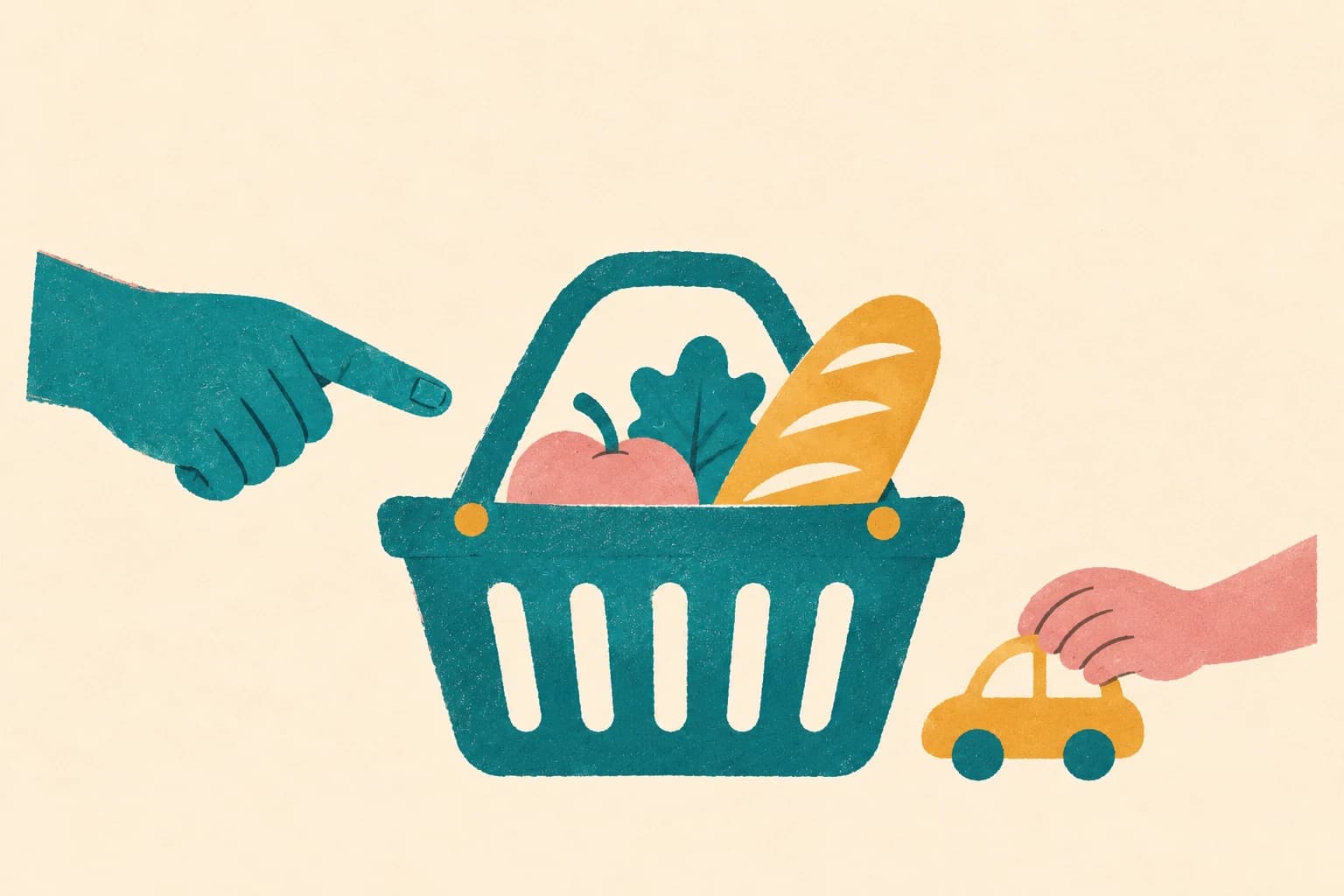
Needs vs. wants for kids: a calmer grocery trip
How to teach needs vs. wants to kids aged 5-10: what to discuss before the store and how to respond when your child asks for something.
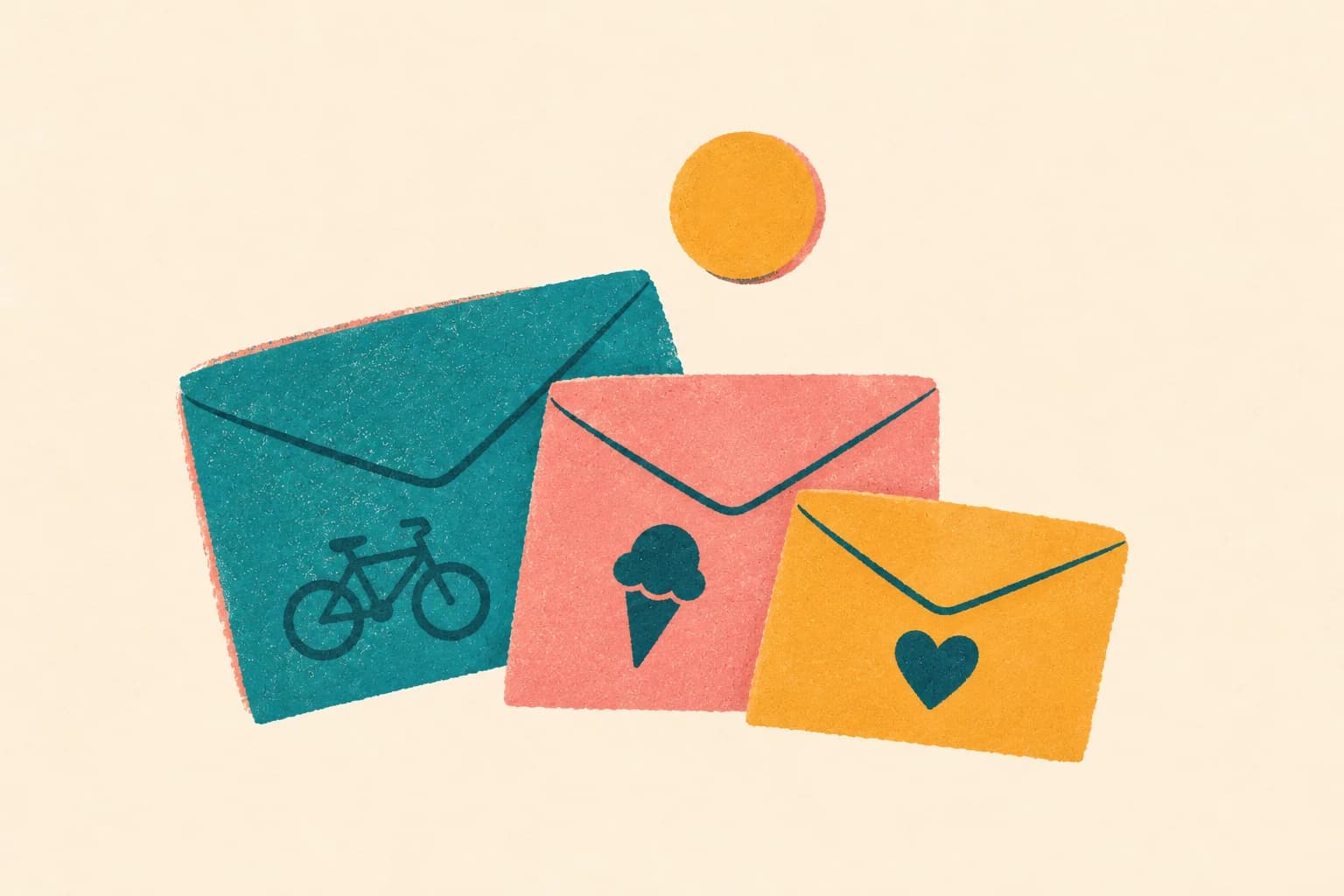
The 50/30/20 rule for kids: what to do with gift money
What to do with your kids’ birthday and holiday money: the 50/30/20 rule for kids, with an example you can adapt to your child.
Financial literacy lesson plan for elementary school
A free 45-minute financial literacy lesson plan for kids, with play money, discussion questions, and adaptations for different grades.
A first debit card for kids: a plan for ages 11-14
Is your child ready for a debit card? How to practice budgeting, payments, PIN safety, and handling mistakes with 11- to 14-year-olds.
Chores for kids by age: 15 age-appropriate missions
Age-appropriate chores for kids 5-7, 8-10, and 11-14, with clear steps for getting started without expecting perfection.
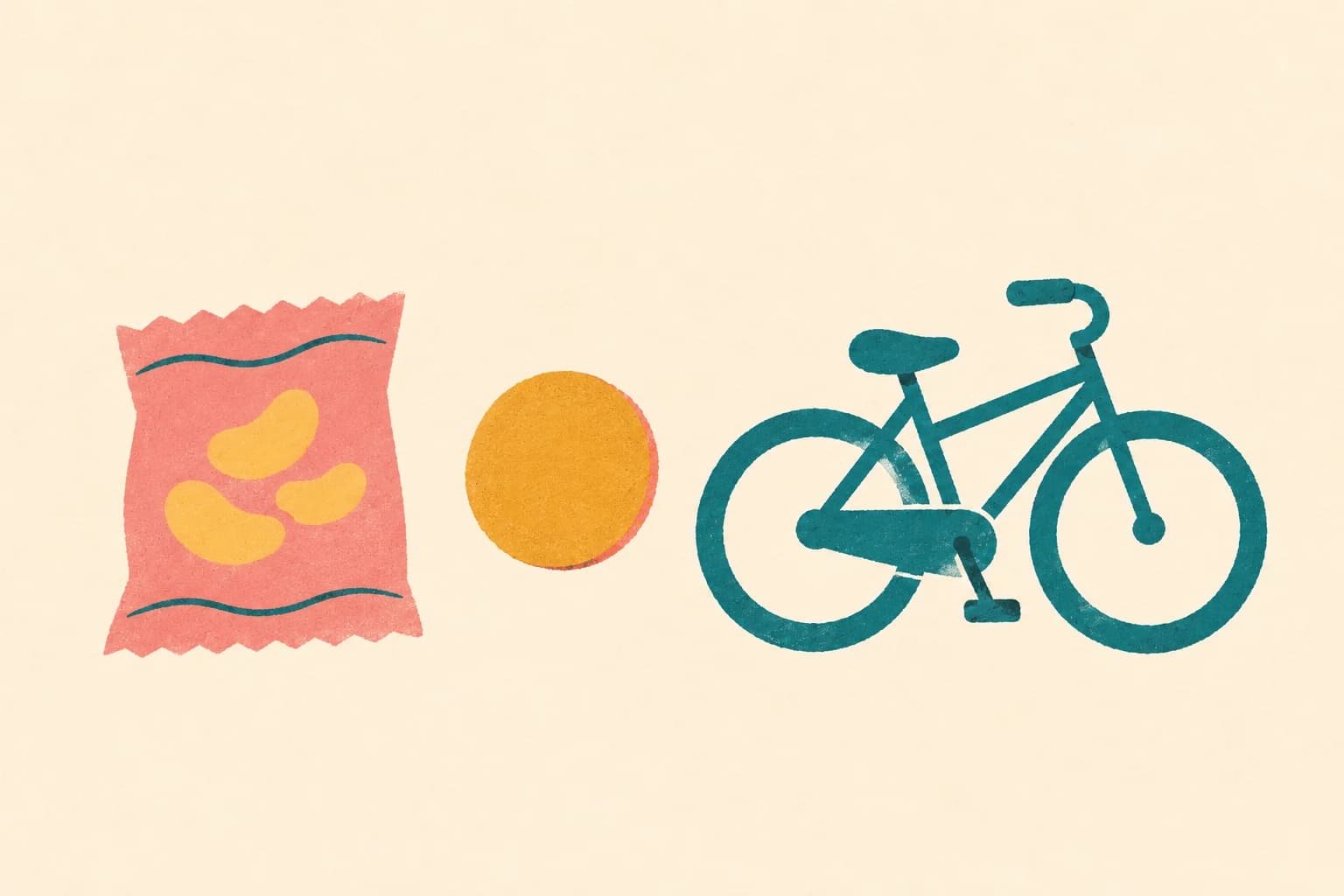
Opportunity cost for kids: a simple real-life example
Opportunity cost explained for kids with a real-life example (chips today or a bike later) and simple math for ages 8–14.
Classroom economy system: a four-week plan with Pigi Oinks
How to set up a classroom economy: rotating jobs, classroom money, and a simple ledger, with rules that keep every student included.