A back-to-school budget starts with what you already have at home and the supply list confirmed by the school. Split the list into “Needed for the first day,” “Can be reused,” and “Can wait,” and let your child help choose the extras.
Don’t start at the store shelf
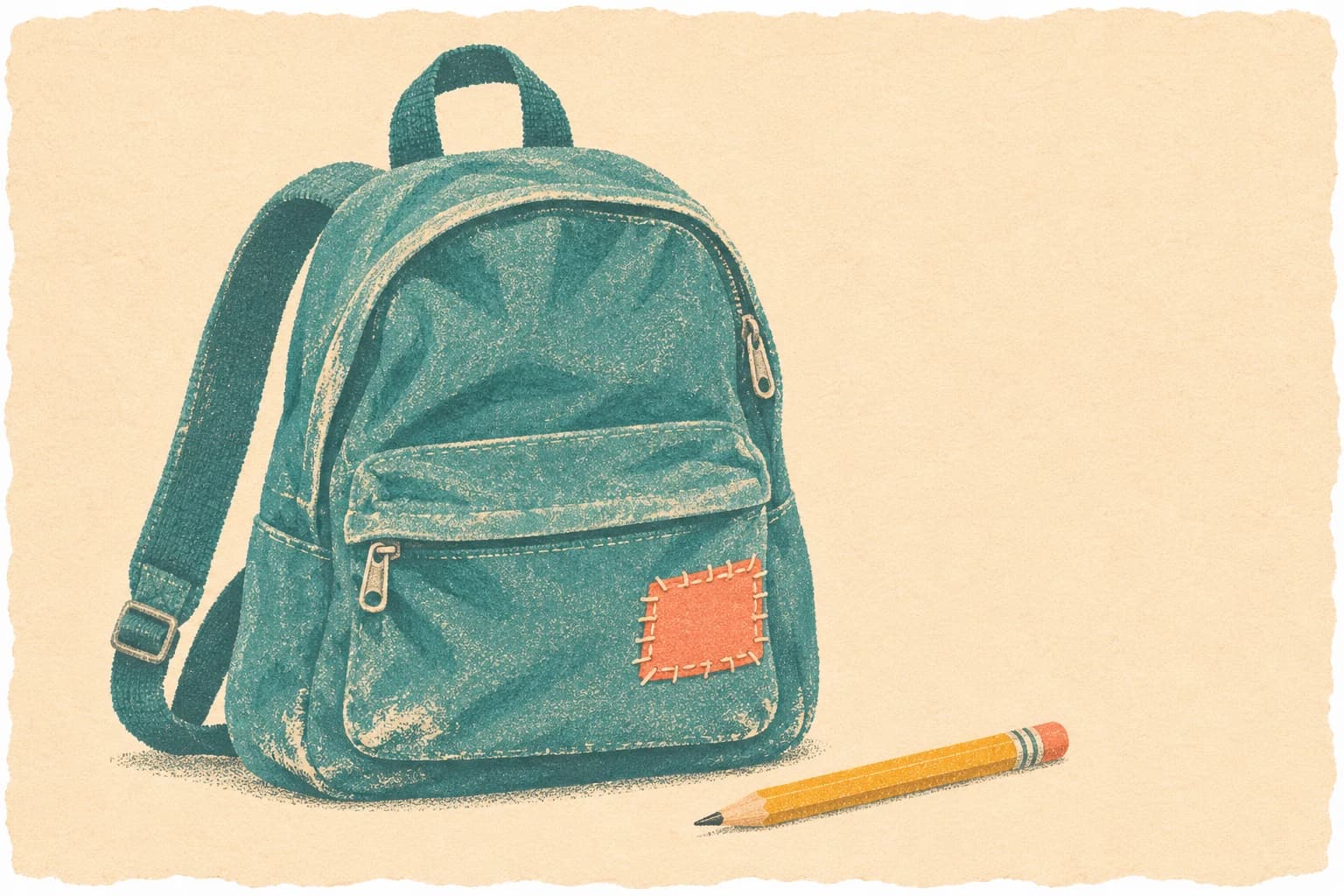
Before you set a back-to-school budget or go shopping, open last year’s bag and see what can still be used. Pencils, a ruler, or a folder don’t become useless just because a new year is starting. Your child can check the supplies and sort them into three groups: still usable, needs fixing, and needs replacing.
Then confirm the list with the teacher or the school, because needs vary by grade and subject. Don’t buy a pile of supplies in advance just because they come in a “back-to-school” bundle. The U.S. Consumer Financial Protection Bureau (CFPB) sees making a budget and a list before shopping as a chance to teach children how to make decisions about money.
Back-to-school shopping list: split it into three parts
The first part is “Needed for the first day”: supplies the school has confirmed and that you really don’t have. The second is “Can be reused.” The third is “Can wait,” which covers decorative extras and items that haven’t been requested yet.
Don’t move an essential item to “Can wait” just to teach your child a lesson. If the budget falls short, the adults talk to the school about alternatives and possible support. That conversation happens privately, not in front of your child’s classmates.
For extras, you can give your child a limited choice: a notebook with a cover they love or one accessory, if the budget allows. Your child can feel part of the preparations without every item being new.
A sample budget you can adapt
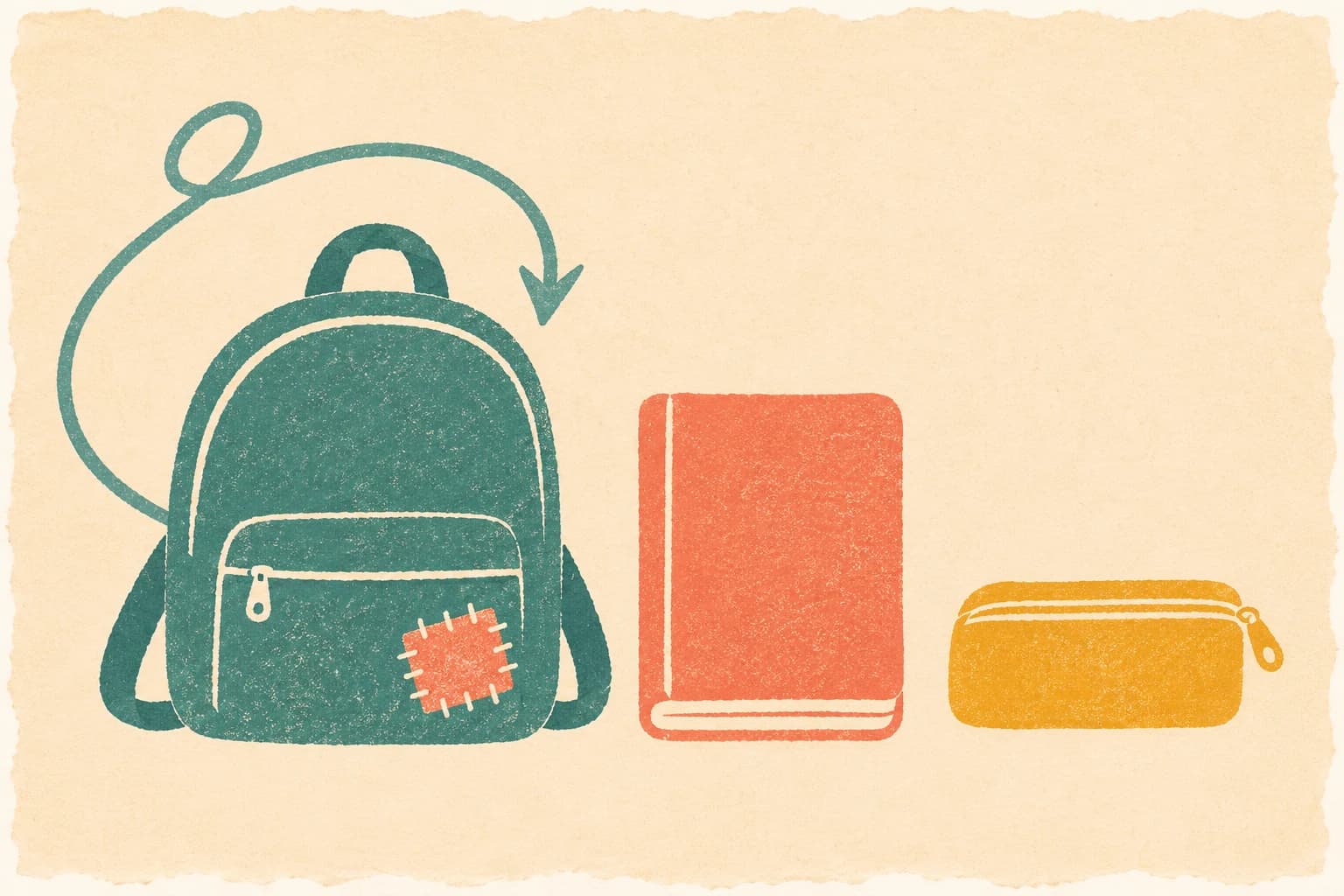
Imagine you have 3,000 lek for some of the supplies, not for the whole school year. In this exercise, notebooks cost 1,200 lek, writing supplies 600 lek, folders 300 lek, and a bag repair 400 lek. The total is 2,500 lek, which leaves 500 lek. These are made-up figures, not an estimate of school costs in Albania.
Ask your child what they would do with the money left over. You could keep it for a request that comes up in the first week. You don’t have to spend every lek just because it was in the budget.
In your real budget, write down the quantity, the unit price, and the total. A big pack may be cheaper per item but cost more overall and include things you don’t need.
Compare products, not families
Compare an item’s quality and price, not how much a classmate’s family spends. A bag that closes properly and is comfortable to wear doesn’t need the flashiest brand. On the other hand, the cheapest item isn’t always the one that lasts longest.
Families can organize swaps of supplies in good condition, with clear agreements. MoneyHelper, a UK financial guidance service, mentions parent networks as a way to find secondhand school uniforms; in Albania, check what your school allows and requires. The UK support schemes mentioned in that source don’t apply in Albania.
If your child is upset about not getting the same thing as their friends, listen before explaining the limit. Something like “I understand you like it. Today we’re choosing between these two options” is clearer than a lecture about gratitude.
Don’t forget the weeks after the first day
The budget doesn’t end with the backpack. Note transportation, food during the day, and recurring school requests separately. Don’t automatically fold them into allowance, because they’re different categories. After two weeks, review the list: what got used, what was missing, and what was bought without need? This isn’t a hunt for someone to blame, just a note that will help you next time.
Keep receipts and check each store’s return policy. If something doesn’t work out, follow the seller’s rules and don’t assume every purchase can be returned the same way. These small details are part of good planning too.
Common questions
How much should a back-to-school budget be?
There’s no single amount. It depends on the grade, the school’s list, what you already have, and what your family can afford. The figures in this article are for practice only.
Should my child pay for notebooks out of their own savings?
No. Essential supplies are the adults’ responsibility. An optional extra can be discussed separately, without pressure.