A child is ready for a debit card when they understand their balance and know how to ask for help. The minimum age, fees, and controls depend on the specific bank product and must be checked with the bank.
A card changes how you pay, not how much you have
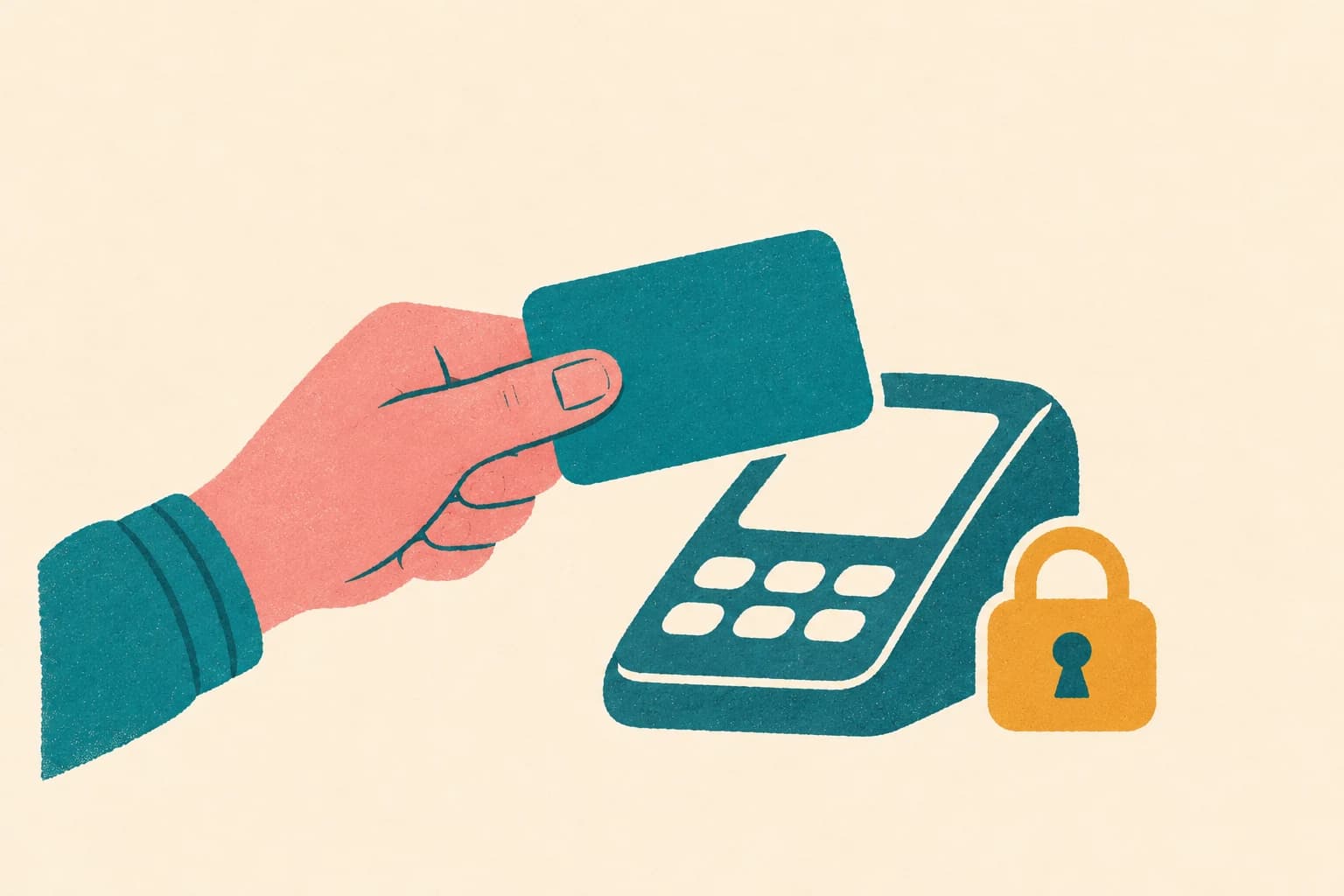
Tapping a debit card takes a few seconds. For a child, the link between that action and the money left over can be less visible than when they hand over coins. Before the card, practice three questions: How much do I have? How much am I paying? How much will be left?
The ages in the title refer to preparation; they don’t mean every bank in Albania offers its own card to every child in this age group. If there’s no suitable product yet, practice with written records and payments you supervise. Talk to your child directly, without treating them like a little kid: “We want you to make more of your own decisions and to know what to do when something goes wrong.” A card shouldn’t be a reward for obedience.
Four things your child should be able to explain
Before giving more independence, ask your child to describe a payment in their own words. If they get stuck somewhere, practice that part. They don’t need to master everything at once.
- Balance: how much money is available and why to check it before buying.
- Payment: the amount on the screen must match what they agreed to pay.
- History: where to find the purchase and how to compare it with the receipt.
- Help: who to contact if they lose the card, see an unfamiliar payment, or suspect a scam.
What age can a child get a debit card? The parent checks the product
Read the bank’s official terms. Ask about the minimum age, required documents and the parent’s or guardian’s role, who owns the account, monthly fees, cash withdrawals, payments abroad, and online purchases. Check whether spending limits, notifications, and temporary card blocking are available. Don’t take these features for granted.
Know the difference between a debit card, a prepaid card, and credit. Your explanation should match the actual product. Don’t say “you can only spend what you have” without checking the terms, the fees, and whether the account could ever be overdrawn.
Before you start, agree on which purchases your child can make on their own and which need a conversation first. Decide together how you’ll review the transaction history. Supervision that’s openly explained is clearer than secret monitoring.
The first payment: small and unhurried
Choose a planned purchase. Before paying, your child checks the price and the balance. At the terminal, they look at the amount. Afterward, they keep the receipt and check that the purchase has been recorded, keeping in mind that the bank may take a little while to show it.
In a practice example, they have 1,000 lek and buy something for 250 lek. They should expect 750 lek to remain, not counting any fees or pending transactions specific to the product. The goal is to understand the change, not to memorize an app screen.
If the card is declined, stay calm. Check the reason with the bank and keep an adult backup plan for essentials. A declined payment doesn’t prove your child is irresponsible.
Online purchases, subscriptions, and games
Before paying online, check who the seller is, the final price, and whether the charge repeats. A free trial may require a card and turn into a paid subscription under its terms. Read the terms before accepting them and note how to cancel. For in-game purchases, work out the price in real money before deciding; virtual-currency bundles make comparisons harder.
Use purchase approval requests and spending limits as agreed and as your device allows. The OECD reports a link between parent-child money conversations and students’ financial literacy in the countries it studied. That’s a statistical association, not proof that a card or a conversation alone produces better skills. For your family, the practical reason is simple: your child needs a place to ask questions.
Stop when a message rushes you
AKSK, Albania’s national cybersecurity authority, has warned about scam text messages with fake traffic fines that ask for online payments and personal information. With your child, practice using an invented message that promises a prize and asks for card details. Ask them to spot the pressure to hurry and the request for information.
Agree on this: we never send photos of the card, PINs, or one-time codes by message. When a request looks suspicious, we stop and open the bank’s official channel ourselves, without using the link or phone number that came with the message.
If they’ve shared information or see an unfamiliar payment, they should tell you right away. Contact the bank to block the card and take the next steps. Reassure your child that they can tell you about a mistake without fear of being humiliated. A quick response is worth more than a long lecture.
Common questions
Does my child need their own phone?
That depends on the product and how it will be used. Ask the bank. Learning how balances and spending work doesn’t necessarily require a personal phone.
What if they lose the card?
Follow the bank’s blocking procedure right away and contact the bank through an official channel. Get to know this route before the first use.
Are they ready if they’re good at math?
Math helps, but they also need to protect their personal data, respect agreed limits, and be willing to ask for help. Practice each of these separately.