Old lek and new lek describe the same money: divide an amount in old lek by 10 to get lek, so 1,000 old lek is 100 lek. Teach your child the value printed on the money, and explain the old expression when it comes up.
The answer your child needs
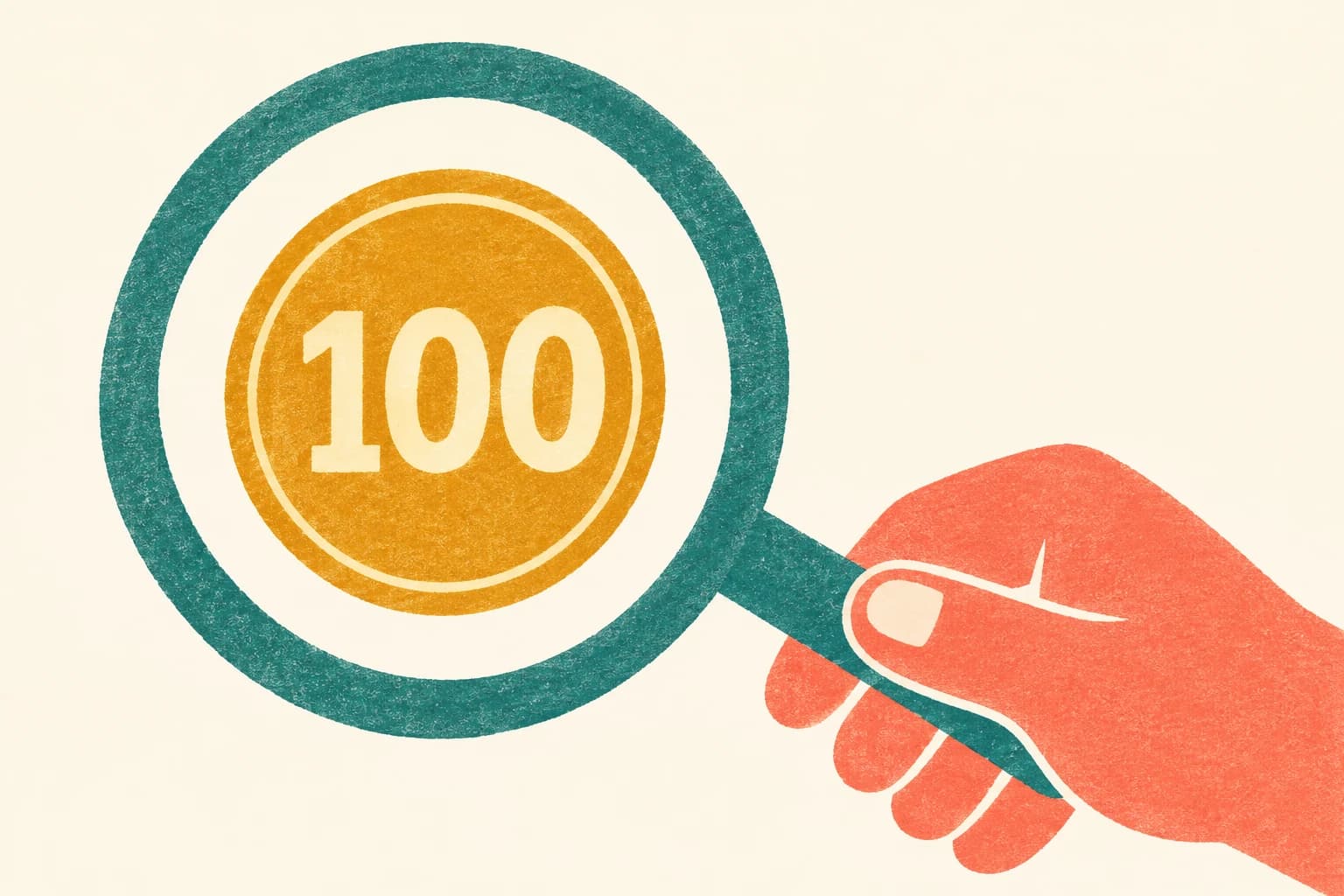
If a coin says 100, it’s worth 100 lek. That’s the starting point. But many Albanians, especially grandparents, still count in “old lek,” a habit left over from a 1965 currency reform, so a child may hear Grandpa call that same coin “one thousand lek” and think they’ve been given more money. Their math isn’t wrong; they’ve simply heard two different ways of describing the same value.
The Bank of Albania, the country’s central bank, encourages people to simply say lek and go by the value printed on the money. At home, this becomes an easy rule: on shopping lists, in your allowance agreement, and in savings goals, always use the written number.
What is old lek, and where does the confusion come from?
In 1965, Albania exchanged its money at a ratio of ten to one: 10 old lek became 1 new lek. That historical change explains why the old way of speaking is still heard today. It doesn’t mean there are two Albanian currencies your child has to calculate with.
When someone is counting in old lek (often without even saying “old”), divide the amount they say by ten to get the real value in lek. So 1,000 old lek is 100 lek, and 5,000 old lek is 500 lek. Don’t make this the main thing you teach. It’s simply a way to decode an expression your child is very likely to hear.
A practice purchase with clear numbers
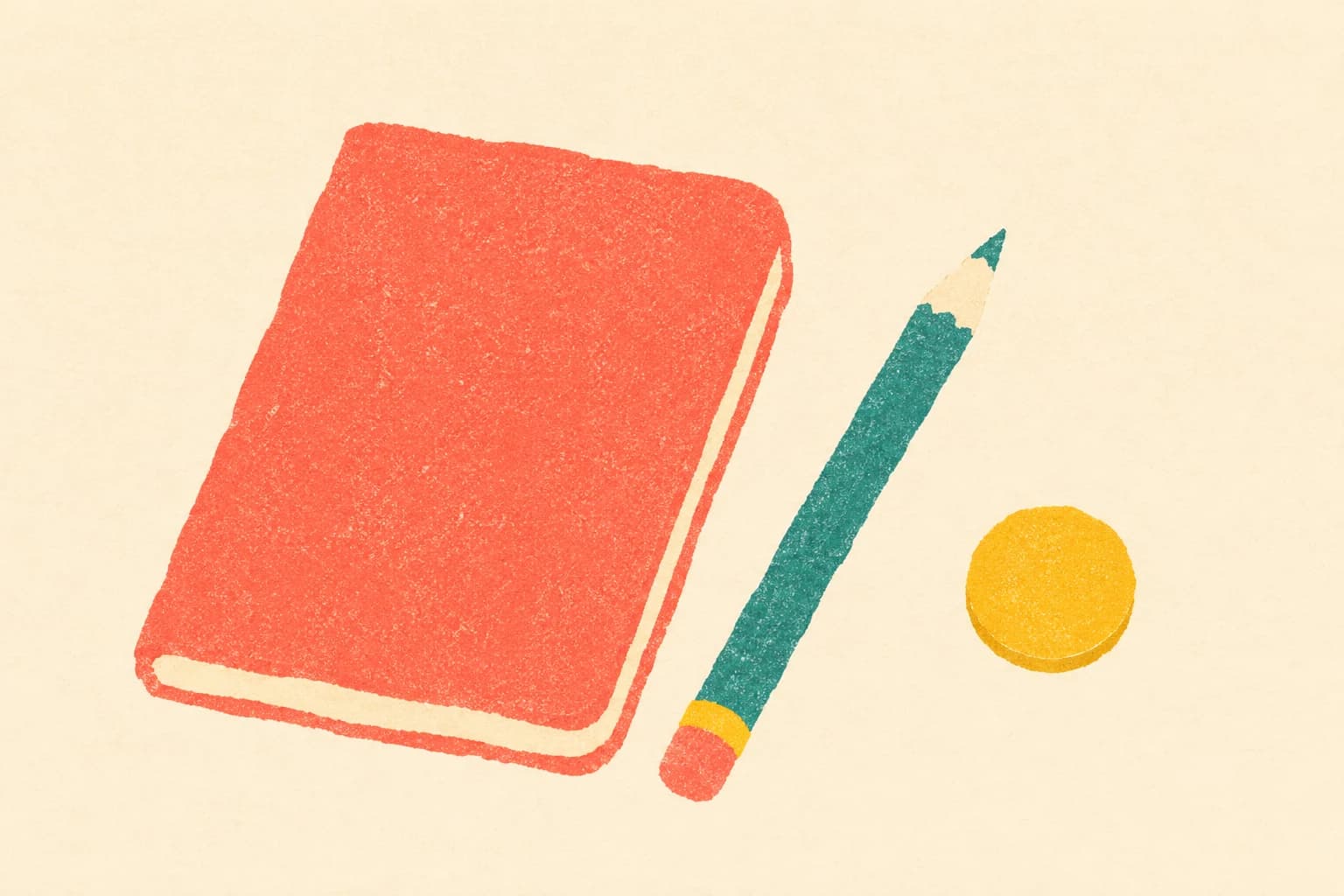
Set up a pretend shop at home. Put a price of 120 lek on a notebook and 30 lek on a pencil. These are practice prices, not real store prices. Together they cost 150 lek. If your child pays with 200 lek, the change is 50 lek.
Write the steps on paper: 120 + 30 = 150, then 200 − 150 = 50. Then ask, “Which numbers did we rely on?” The answer: the written prices and the value on the money. We never add a zero halfway through.
To connect it to a real outing, choose a small purchase and stay close to your child. If the seller says a price in a way that’s unclear, ask them to confirm the amount in lek before you pay. Asking isn’t embarrassing; it’s part of understanding a payment.
What to tell Grandpa without starting a debate
You might say: “We’re teaching her to read the number printed on the money. Could we call this 100 lek too, so she doesn’t get confused?” This keeps the focus on what the child needs, without making your relative feel corrected at every turn.
If your child asks who’s right, you can answer: “Grandpa is using an old way of speaking. For our math, we use the value that’s written on the money.” Kids don’t need to memorize currency history before they can buy a pencil.
Adults can help with one small habit, too: writing the amount of a money gift on the envelope or on a note. “Here’s 500 lek” is much clearer than a spoken amount that could mean two different things.
A five-minute game: “Find the value”
Draw three cards with the numbers 50, 100, and 200. These are game cards, not copies of money. Ask your child to point to the card that matches the amount you say. Then switch roles: your child says an amount and you find the card.
For a child who is still learning numbers, two cards and one purchase are enough. For a confident counter, add change or a second item to the same purchase. If they make a mistake, go back to the printed number instead of piling the old-lek conversion on top.
End the game with a practical question: “If you’re not sure how much something costs, what do you do?” The answer we want to hear: “I ask and check before I pay.” That matters far more than answering fast.
Common questions
How much is 10,000 old lek?
It’s 1,000 lek, because you divide an amount in old lek by ten. Still, always confirm the written amount in lek before you pay.
Should I teach my child both ways?
Teach the printed value first. Explain the old way when your child hears it, without making it part of everyday counting.