How much allowance to give doesn’t depend on a standard figure: first decide what your child will pay for, then choose an amount you can afford and a fixed payday. Other families’ amounts aren’t a benchmark.
“My friend gets more”
You may hear this soon after you start giving allowance, especially while you’re still deciding how much allowance to give. Before changing the amount, ask what the friend’s money covers. Maybe it includes bus fare or lunch. Maybe it’s only for wants. Two amounts without context can’t be compared.
You could say: “Every family decides based on its own budget and expenses. Let’s check whether our plan covers what we agreed on.” That way you take the question seriously without turning it into a competition between families. An article on the Albanian site HerWell, based on a psychologist’s advice, also treats the amount as a decision that depends on each family’s circumstances, not a fixed rate by age.
How much allowance should you give? Purpose first, then the amount
Take a sheet of paper and split expenses into two columns. In one, write the needs you cover. In the other, list the small wants your child can decide on. If you include an essential expense in the allowance, keep it separate from the money for personal choices and make sure it’s always covered. Allowance should give a child decisions they can handle, not responsibility for basic needs.
We’re not suggesting a “normal amount for Albania,” because there’s no representative data to support such a recommendation. Prices near school, the number of children, and family income all vary. Look at an ordinary week and choose a trial amount you can keep up next month too.
In an example just for practice, a family chooses 300 lek a week for small wants. The child might plan 200 lek for spending and 100 lek for saving. That doesn’t mean 300 lek is enough, or necessary, for every child. The numbers are only there to make the split visible.
A four-line agreement
A short agreement saves you from having the same discussion outside every store. Write it in your child’s own words and put it somewhere easy to see. If several adults look after your child, everyone should follow the same rules.
- Amount and day: how much, and when.
- Use: which wants this money pays for.
- Limit: which purchases we talk about first.
- Review: when we sit down to check whether the plan is working.
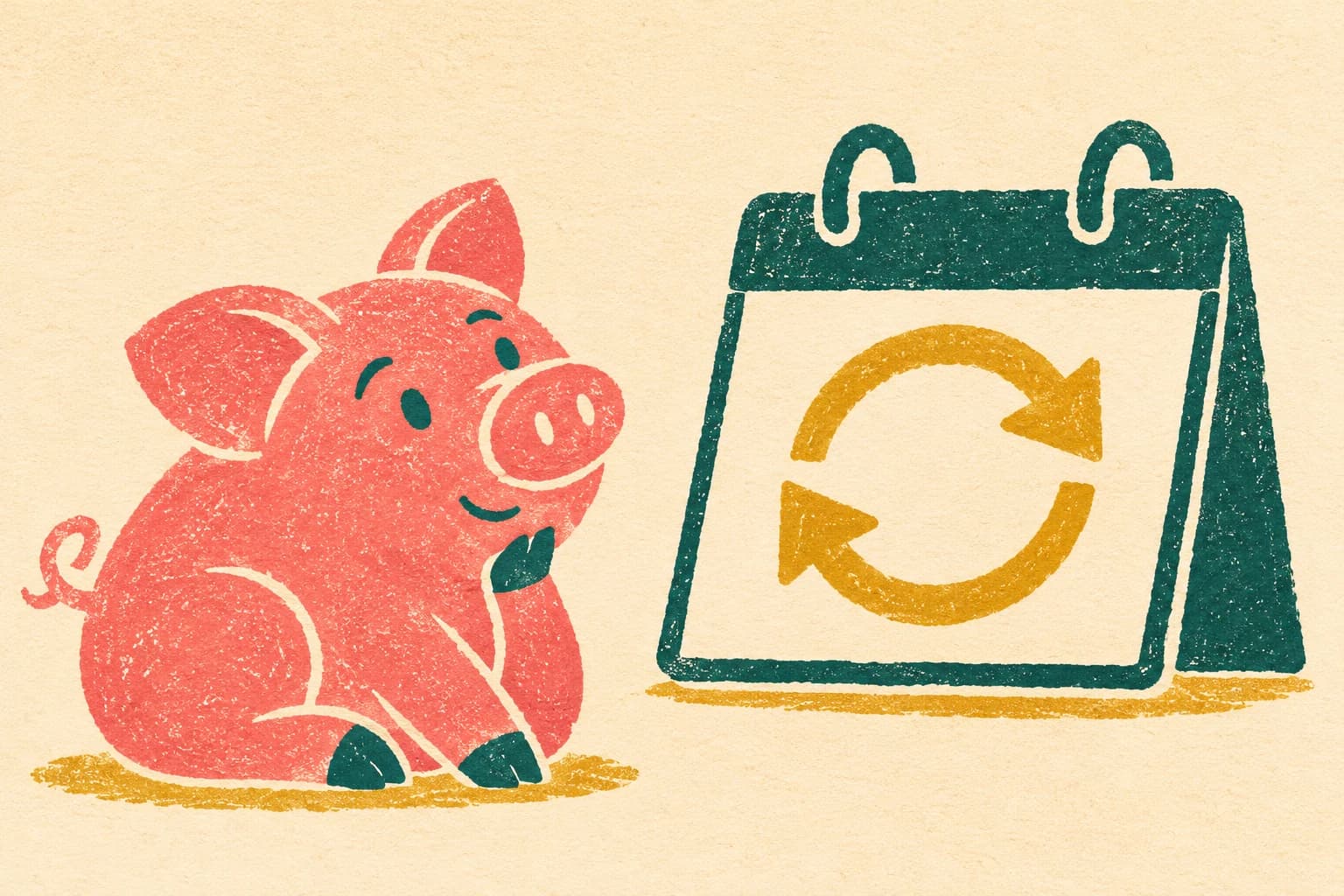
Weekly or monthly?
MoneyHelper, the UK’s government-backed money guidance service, suggests weekly allowance for younger children so they can practice making decisions over a shorter time frame. Use that as a starting point, then watch how your child does. A teen who is just starting to manage money may also do well with a clear weekly cycle. Lengthen the interval once your child can plan across it with reasonable support.
If you forget to pay on the agreed day, simply own it: “I forgot. Let’s write it down now.” Your reliability is part of the deal, so don’t present your delay as a lesson in patience. When you move from weekly to monthly, calculate the amount carefully and explain that a month isn’t always just four weeks. Two payments a month can be a good in-between step; at first, keep the spending responsibilities the same.
If the money runs out on Tuesday
First, check whether anything essential is missing. Your child still needs food and a safe way home. Then talk about the money for wants: “I see it’s all gone. The next payment is on Sunday. What will we do differently next time?”
Don’t automatically top up every time the money runs out. But don’t stick with a plan that turned out to be unrealistic just to teach a lesson, either. If something cost more than you expected, adjust the budget. A planning mistake and an impulse buy call for different responses.
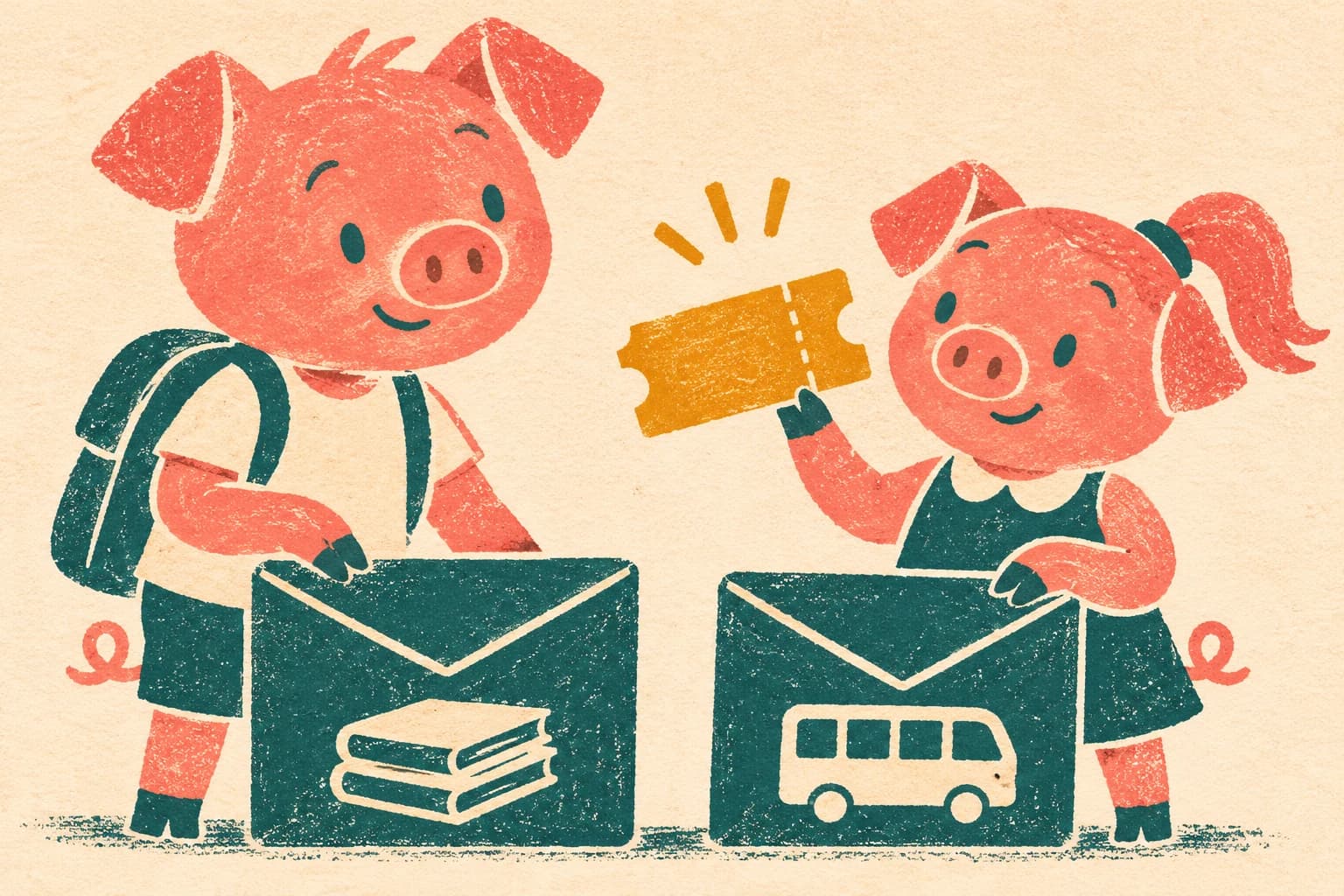
Try splitting the weekly money into two envelopes or jotting down each purchase together. That’s support for a skill your child is still learning, not a reason to label them “wasteful.”
Chores, grandparents, and a four-week trial
In public discussions on the UK parenting forum Mumsnet, parents describe both pay linked to chores and allowance kept separate from them. These are personal experiences, not proof that one approach always works best. What matters for your family is that your child understands the agreement.
A simple option is to separate everyday help around the house from extra projects that can earn a reward. For money from grandparents, agree in advance how it will be recorded and when you’ll talk about how it’s used, and don’t make relatives look like the “bad guys” in front of your child. Then try the plan for four weeks: in week one, just observe; in week two, record purchases; in week three, try a small savings goal. At the end of week four, ask yourself: Was the amount affordable for the family? Was its purpose clear? Did your child have real room to choose?
If your family can’t give money regularly, say so openly and without guilt. A small budget for a specific occasion, or a shopping game at home, can open the same conversation. What matters is that expectations are realistic.
Common questions
Should siblings get the same amount?
They can get different amounts when the money covers different expenses. Explain the specific reason and apply the same principle to both.
Should allowance go up with age, every birthday?
Not automatically. Review it when responsibilities, prices, or your family’s circumstances change.
What if my child asks for an advance until next week?
At first, keep the system simple and talk about waiting and planning. If you do allow an advance, write down how it changes the next payment, and keep basic needs protected.