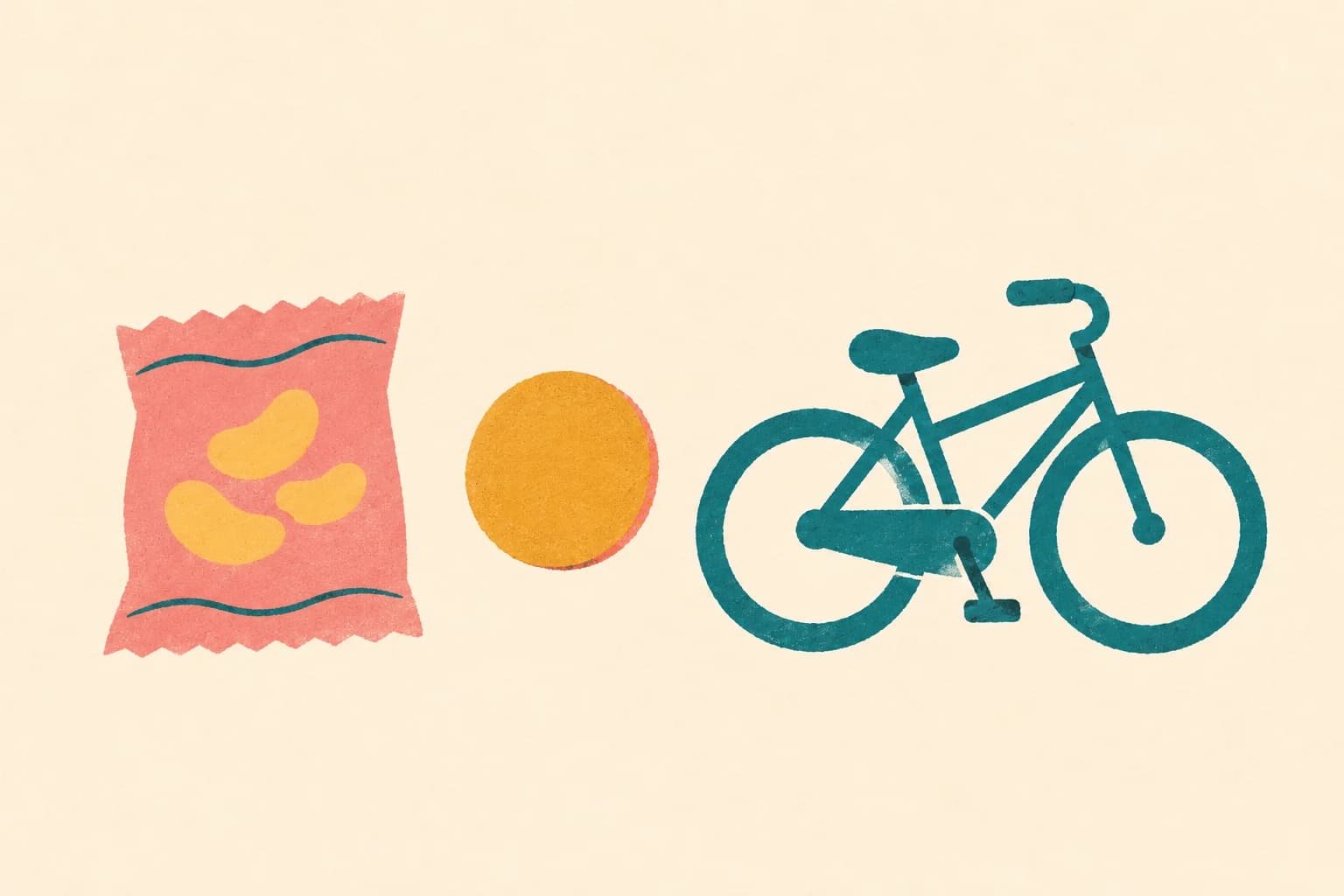
Opportunity cost is the best alternative we give up when we choose. For example, if a child who can save 500 lek a week for a bike spends 200 of it every week, the bike takes ten weeks instead of six.
What is opportunity cost? A big idea that starts with two choices
“If you hadn’t bought all those things, you’d have the bike by now.” That sentence may be mathematically true, but it doesn’t help the conversation. Your child hears criticism, and the decision has already been made. When teaching kids about opportunity cost, it’s better to ask the question before the purchase: “If you choose this today, what changes for your other plan?”
In the glossary of the US Consumer Financial Protection Bureau (CFPB), opportunity cost relates to the next best use of money or time that we give up when we make a choice. It isn’t the total of everything we could have bought. For a child, two options they genuinely care about are enough.
The math that makes waiting visible
Here’s a made-up example. Your child needs another 3,000 lek for a bike and can save 500 lek a week. Without any changes, that takes six weeks. If they choose to spend 200 lek of that money every week, they save 300 and need ten weeks.
The difference is four weeks of waiting. That’s a concrete way to talk about the choice. We’re not saying a single bag of chips “costs” four weeks; in this example, the delay comes from spending 200 lek again every single week. Make that distinction clear.
Write out both routes: six boxes of 500 lek on one side, ten boxes of 300 on the other. Let your child say which one they prefer and why. They might also choose a middle route, spending on a small treat only some weeks.
Saving doesn’t have to win every time
An ice cream with a friend can matter to a child. An outing might be an experience they remember for a long time. If it’s within the limits you’ve set, let them weigh the pleasure of the moment, too. You’re teaching decision-making, not endless hoarding.
Ask: “How much will you enjoy this? Do you still want the bike just as much? Are you OK with waiting longer?” If they choose to spend, come back to it later without sarcasm: “Does it still seem like a good choice?” Even a “no” is useful information for next time.
Materials from the US Federal Deposit Insurance Corporation (FDIC) for parents of students in grades 6–8 connect spending with goals, needs, and wants. Our weeks exercise is one way to apply that conversation to a concrete situation.
What if the wish is very expensive?
A goal several years away doesn’t become motivating just because you draw it nicely. See whether you can find a secondhand option, borrow the equipment for an activity, or split part of the cost with the adults. Write down clearly how much each person contributes.
If the bike also needs a helmet or repairs, include those in the plan from the start. Don’t add those costs after your child thinks they’ve reached the goal. Likewise, if your contribution changes, explain it without making your child responsible for the adults’ budget.
You can also set a review point: after four weeks, we check the price and whether the wish is still there. A child doesn’t have to stay loyal to something they no longer want just because they started saving for it.
Opportunity cost shows up without money, too
On Saturday you have a free hour. You could play outside or watch a movie. If you choose the movie, playing outside is the alternative you give up for that hour. If you choose the park, the movie can wait. Neither choice has to be morally better.
This example helps when a child doesn’t handle money yet. For younger kids, use two pictures. For older ones, add a limit: time, getting there, or price. Keep the options few, because a list of ten possibilities can hide the main idea.
A five-minute conversation
Choose a wish you’re actually discussing. Write down its price or the time it takes, plus one alternative that matters to your child. Do the math together and set a date to look at it again. Don’t use the activity to steer your child to the answer you want.
- What do you get if you spend the money today?
- Which other option matters most to you, and what changes for it?
- Is there a middle route you can afford?
- When will we check together whether it was a good choice for you?
When the pressure comes from friends
If the wish is about what others have, start with the need to belong: “I understand you want to be part of the group.” Then look for other ways to be included. Don’t immediately dismiss the wish as a meaningless fad.
The money limit can stay the same; what changes is how you talk about it. A child can accept a limit and still feel upset. They don’t need to show enthusiasm for the conversation to have been worthwhile.
Common questions
Should I explain the term “opportunity cost”?
Yes, if your child is interested. To start, the question “What are we leaving for later when we choose this?” is enough. Understanding comes before the term.
What if they spent the money and regret it?
Go over the numbers again without an “I told you so.” Ask what they’d like to try next time, and keep mistakes within small amounts that can’t do much harm.
Does it apply only to big wishes?
No. It applies to time, activities, and small purchases, too. Use an example where your child genuinely has a choice.