If your child spends their allowance right away, keep the agreed limit until the next payday, talk calmly about what they bought, and try one planning change for two weeks. Food, necessary transportation, and safety are never used as punishment.
The money’s gone. The learning is just beginning.
If your child spends all their allowance on the first day, the first step is to figure out what that amount was supposed to cover. A small treat can wait until the next agreed payday. Food, getting home safely from school, and basic needs remain the adult’s responsibility.
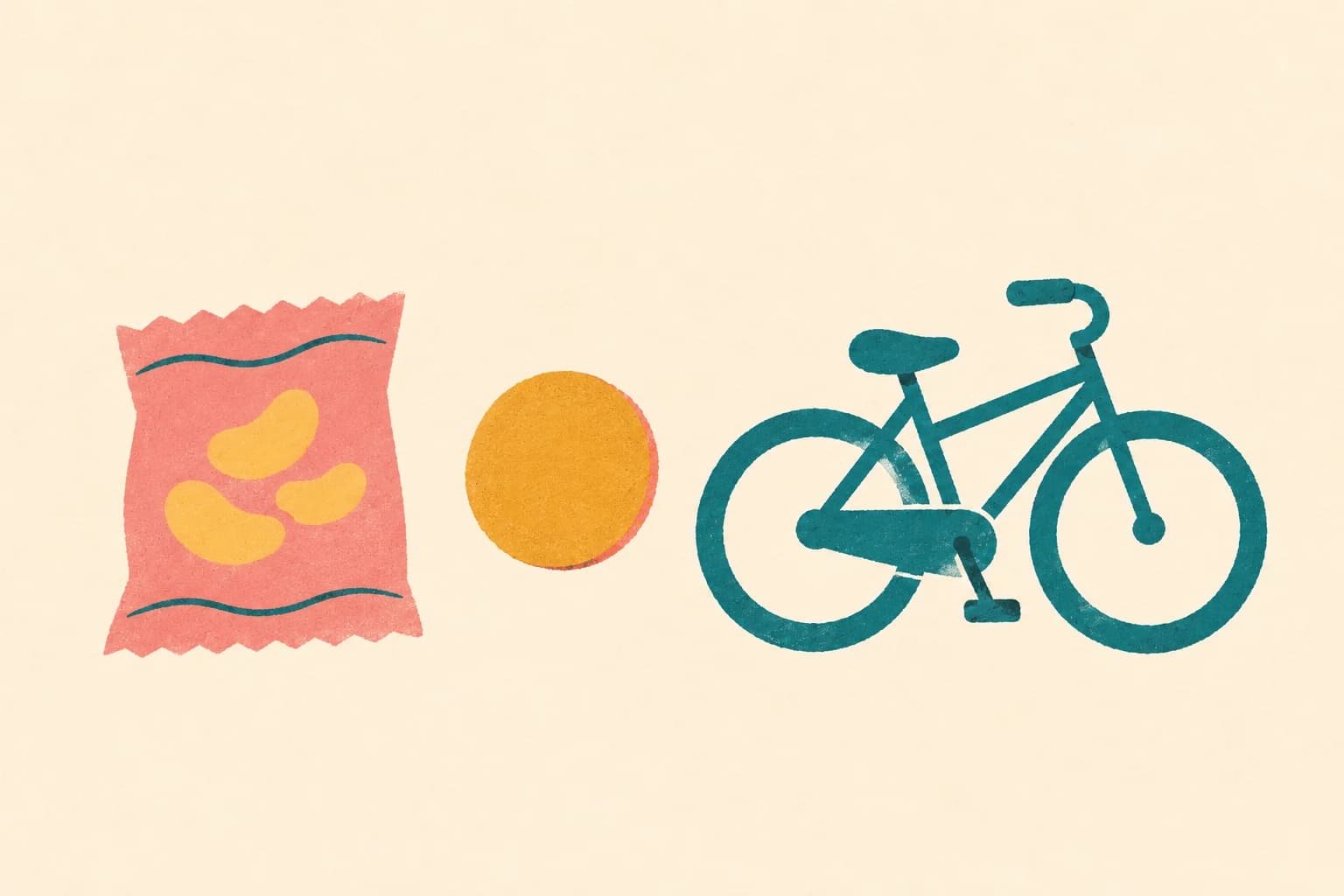
You might say: “I can see you want this too. The money we set aside for this week has been used. We can put it on next week’s list.” This acknowledges the wish and keeps the limit, without calling your child irresponsible.
Guidance from the US Consumer Financial Protection Bureau (CFPB) for middle childhood (roughly ages 6–12) suggests talking about the spending plan, what was actually spent, and what was learned. In other words, handing over money alone doesn’t replace the conversation. A poorly thought-out purchase can become a lesson for next time, not a label that sticks to your child.
Check in with three questions
Wait for a calm moment and ask: “What did you buy? Do you still like it? What would you do differently?” Don’t turn the conversation into an interrogation. If your child is happy with the choice and accepts the wait, there’s no need to convince them they made a mistake just because you would have chosen differently.
In a made-up example, a child gets 500 lek a week for small wants. They spend 350 on a toy and 150 on something else. On Wednesday, they want a 300 lek book. On a sheet of paper, write 500 minus 350 minus 150: zero is left. The book moves to the next list, unless it’s a school need the parent had agreed to cover.
The numbers are for practice, not a recommendation for how much every child should get. The goal is to see the link between the choice and the amount left. If the original agreement wasn’t clear, clarify it now; don’t invent a consequence after the purchase has been made.

Keep the date, change the support
Automatically topping up every time the money runs out can blur where the budget ends. On the other hand, a long ban or teasing doesn’t teach a child how to divide the amount. Try keeping the next agreed payday while changing how the planning works.
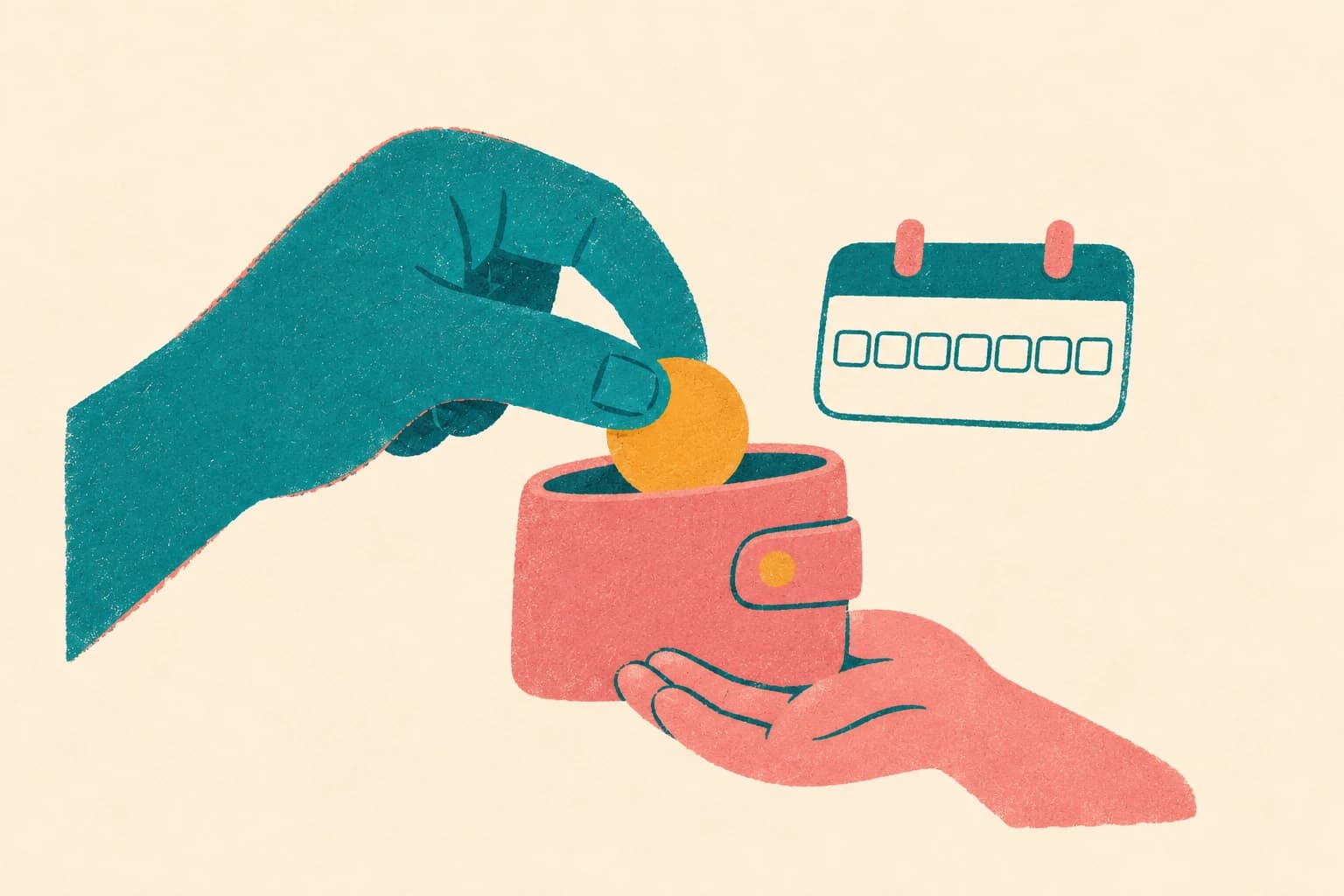
For a younger child, a whole week can be hard to picture. You could split the amount into two payments during the week, with the same total and the rule explained in advance. That isn’t extra money after spending; it’s an easier-to-follow structure for the next try.
The US Federal Deposit Insurance Corporation (FDIC) guide for parents of older students leaves room for small spending mistakes. At home, that means choosing an affordable risk, like a toy that turned out to be less fun than expected, not going without food or safe transportation.
Teaching kids not to spend it all at once: try one change for two weeks
Pick just one habit: keep some money for the weekend, wait a day before a non-urgent purchase, or write down each payment as soon as it’s made. Three new rules at once can make the exercise harder than the spending itself.
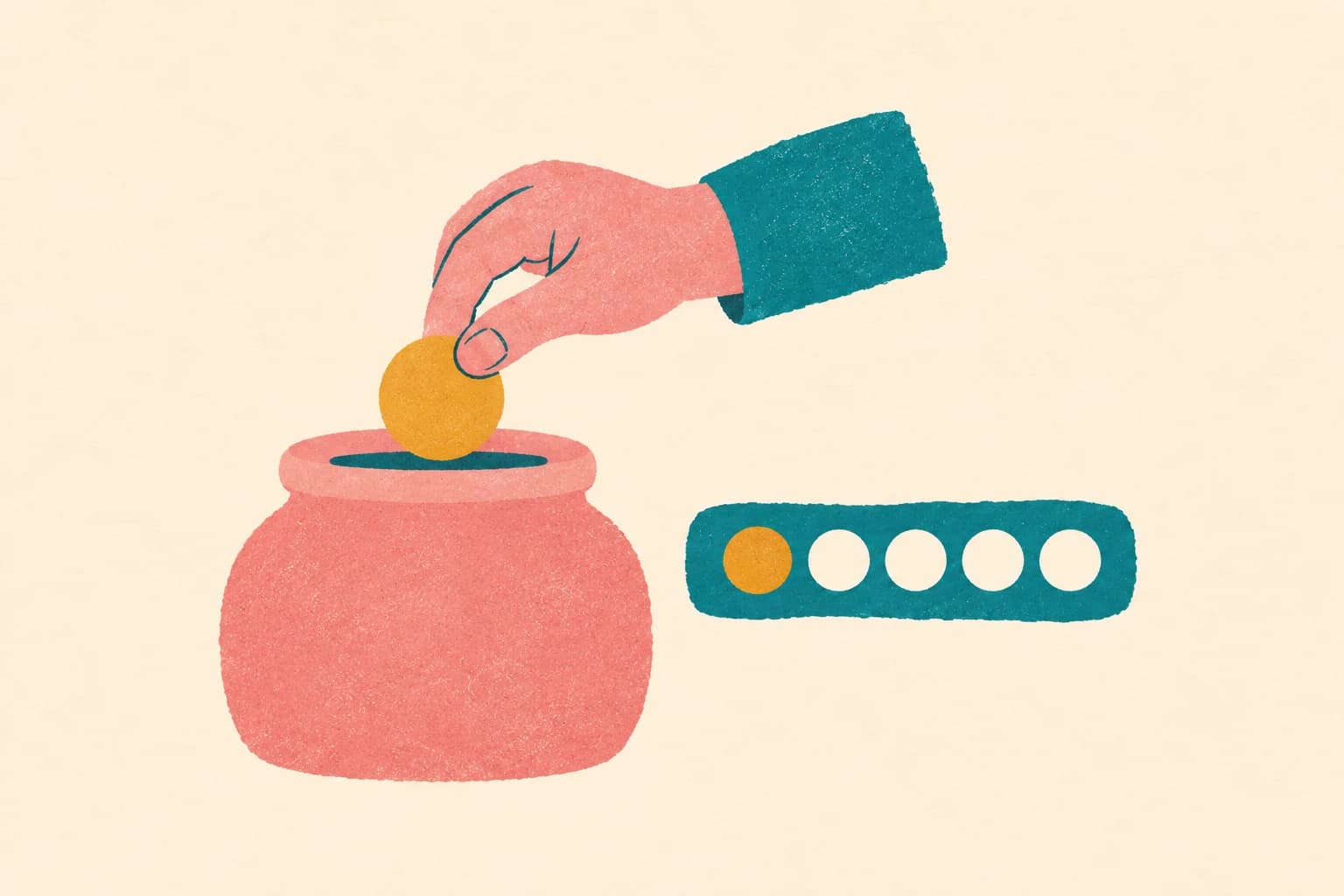
Keep the trial visible. On one sheet, write the day the money arrives, the amount available, and the day you’ll review the plan. A younger child can draw a circle for each day instead of filling in a long table.
At the end, don’t look only at whether any money is left. Look at whether your child remembered the plan, checked the amount, or asked to change a choice. A child who spends the money knowingly and accepts the wait has learned something different from a child who didn’t realize the money was gone.
When the problem is the plan, not the child
If the money keeps running out on things you consider necessary, check whether the responsibility you’ve given is a good fit. You may have put transportation, school supplies, and fun into the same envelope without separating them.
Also ask whether there’s pressure from friends, repeated in-app purchases, or requests from other people. A simple spending log can reveal the pattern. Don’t ask for private conversations to be shared in front of the whole family; listen to your child one-on-one and without shaming.
Close with a small agreement that’s easy to follow: “On Friday, we get the next amount. Before the first purchase, we’ll choose what you’ll keep for Sunday.” Pigi can be part of the conversation, but the lesson works just as well with a sheet of paper and a pencil.
Common questions
Should I give more allowance when it runs out?
Not automatically for a want that goes beyond the agreement. If it’s about a basic need or a rule that wasn’t explained, step in and clarify the plan.
What if my child doesn’t regret the purchase?
If the choice was safe and within the limits, and your child accepts the wait, a lack of regret isn’t a problem. The goal is an understood decision, not the purchase the parent would have preferred.
How long should we try the new approach?
Two weeks is a simple observation period, not a scientific deadline. Then adjust the rhythm based on what your child understood and managed to follow.