To decide whether to repair or buy new, compare the cost and usefulness of a repair with those of a replacement. A low price isn’t enough if the item no longer does the job you need.
A broken zipper isn’t always the end of the bag
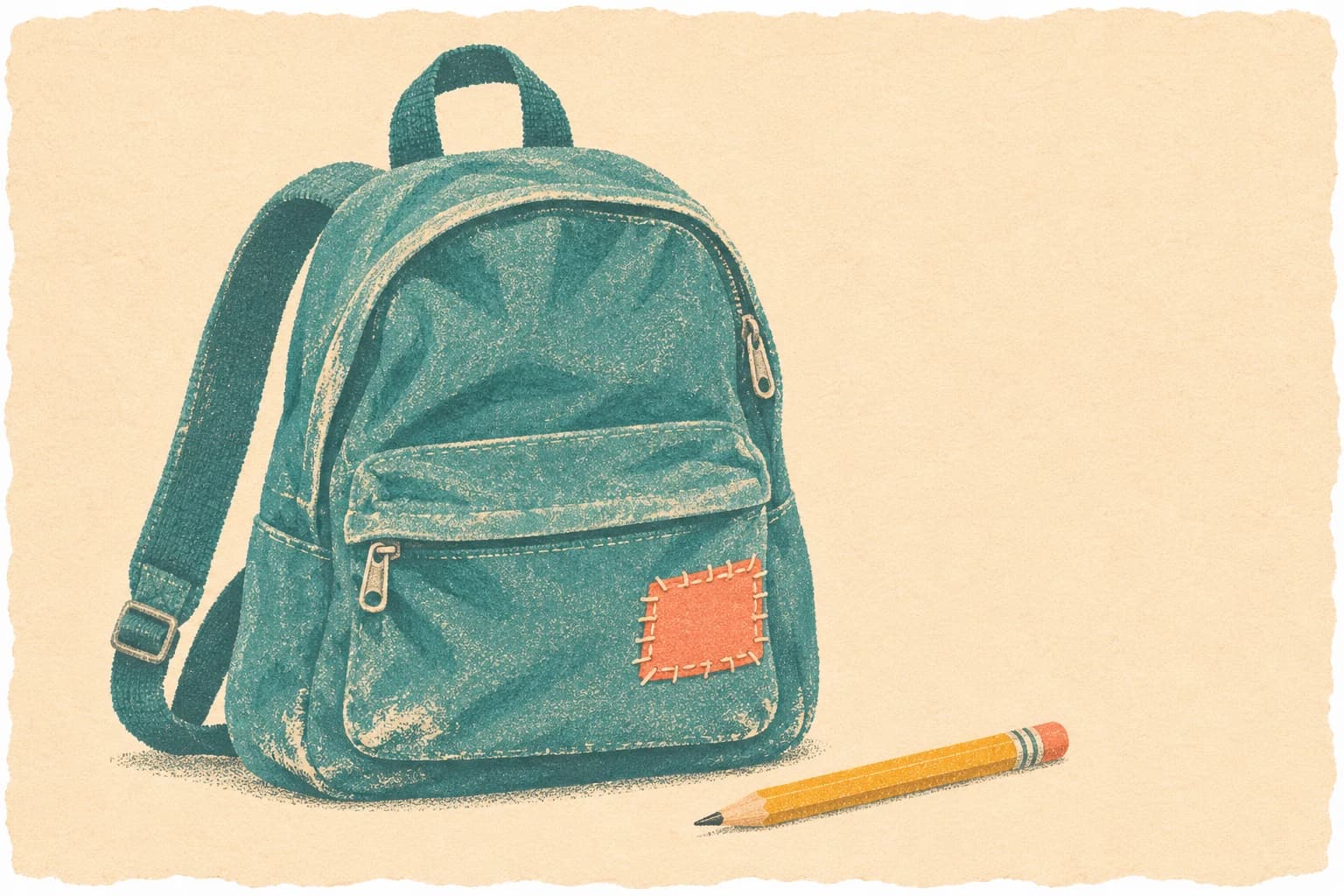
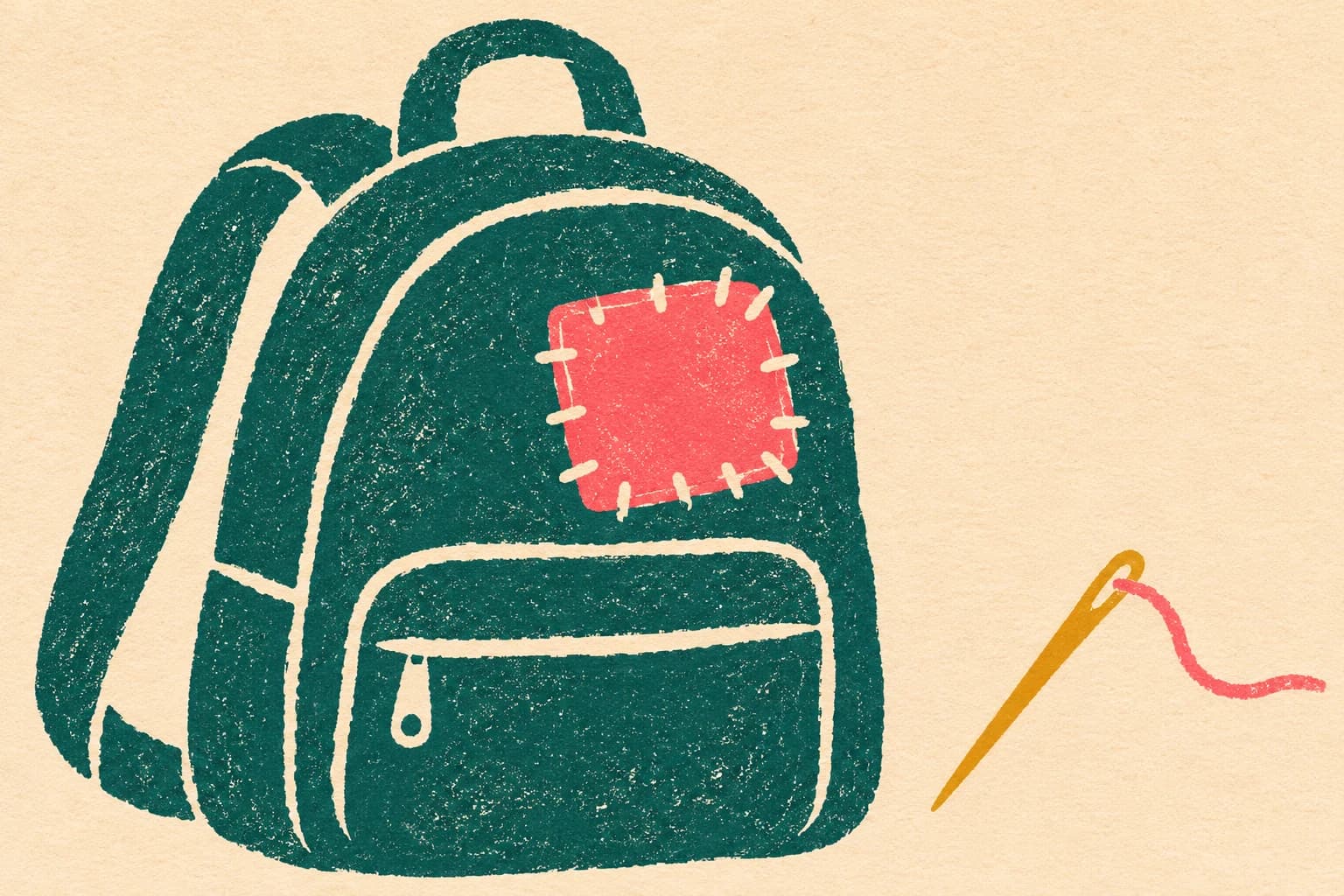
Your child comes home from school with a broken zipper on their backpack. Your first reaction might be “We’ll buy another one,” but it’s worth pausing briefly to ask: repair or buy new? Is the rest of the bag still in good shape? Can it be repaired? How much would that cost, and how long would it take? These questions separate the real need from the habit of replacing things right away.
The conversation shouldn’t sound like a scolding. Things wear out even when we take care of them. You can say: “Let’s see what it needs to work for us again.” Your child can look at the problem and compare the options, while an adult decides whether a repair is worth it. We’re not trying to keep every item at any cost; we’re learning not to decide before looking at the problem.
Repair or buy new? A comparison that fits on one sheet of paper
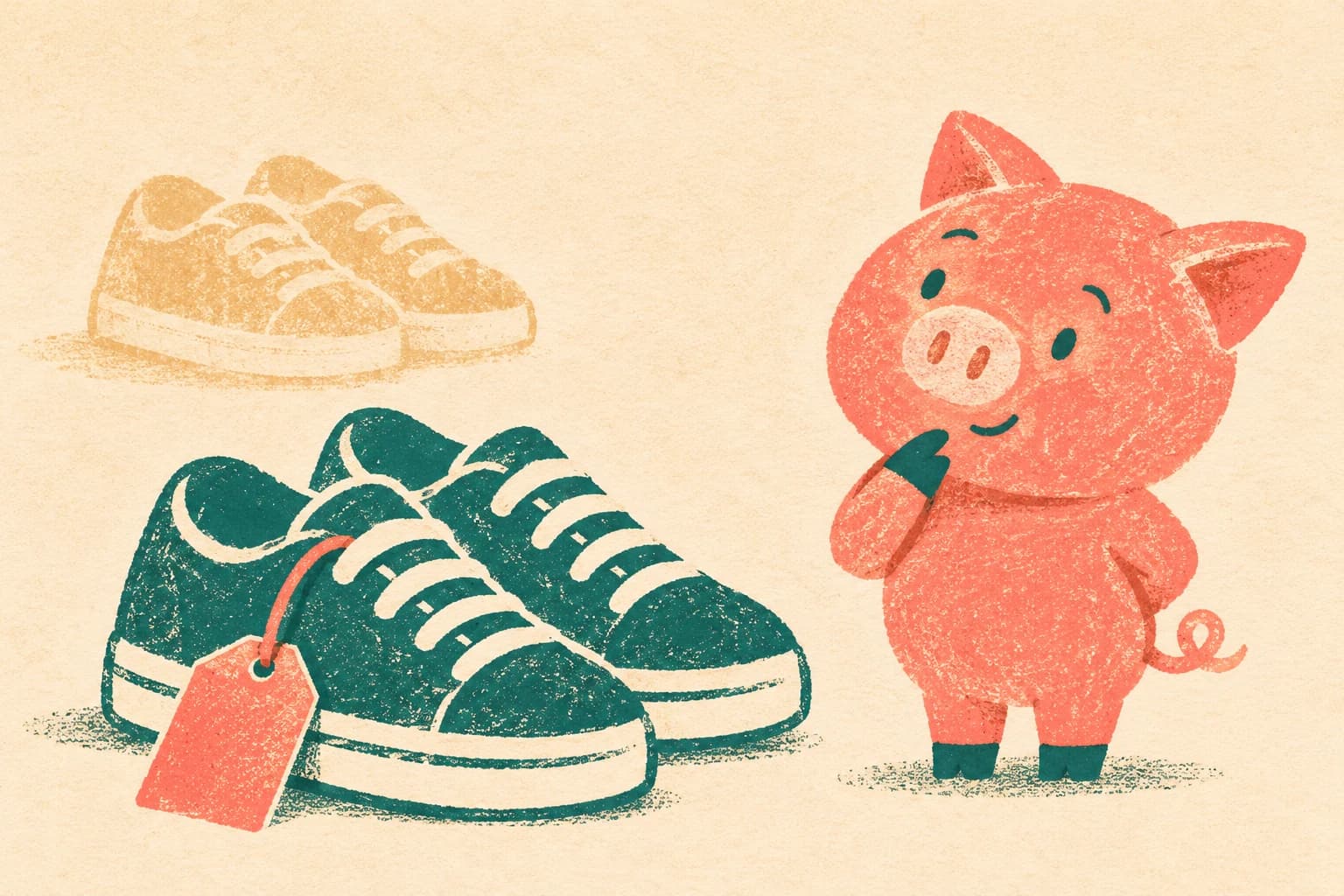
Using invented figures: a zipper repair costs 500 lek, while a suitable new backpack costs 2,500 lek. If the current bag is in good condition and the repair makes it usable again, the difference is 2,000 lek. But that calculation isn’t enough if the straps are also damaged or the bag no longer suits your child.
Write down three options: repair, replacement with a used item in good condition, and replacement with a new one. Next to each, note the price, what it solves, and what remains uncertain. Get a real repair quote before deciding. Travel costs and waiting time can matter too. Your child learns that comparing isn’t just subtracting; it’s also checking whether the solution does the job.
How much does each use cost?
For children who know division, add another example. A bag that costs 2,000 lek and is used 200 times has a purchase cost of 10 lek per use. Another that costs 1,200 lek and is used only 60 times comes to 20 lek per use. In this example, the first bag costs more up front but less per use.
These are scenarios, not promises about how long a product will last. Before buying, we don’t know exactly how many times something will be used. A family also may not be able to pay the larger amount up front. Don’t use the exercise to judge anyone’s choices. Use it to ask about durability, need, and expected use. If you include later repairs, add them to the total cost before dividing. The calculation helps you ask better questions; it doesn’t prove that expensive products are always better.
Reuse isn’t a consolation prize
A book passed down from a cousin or a used bicycle in good condition may still have plenty of use left. Talk about condition and function, not about any shame in something being “secondhand.” Guidance from the EPA, the US Environmental Protection Agency, lists maintenance, repair, and buying used among the ways to extend the life of products and reduce waste.
But that doesn’t mean every used item is a good choice. Check condition, fit, and safety. For electrical items or repairs that need special skills, turn to a qualified professional. Your child can take part in simple choices, like comparing books or taking care of their backpack. A money lesson never requires them to experiment with damaged equipment.
End with one act of care you can do today
Choose one small action: clean the backpack, gather the toy’s parts in a box, cover the book, or ask about a repair. Don’t promise that care makes everything last forever. It helps us notice the condition of things and act before a small problem becomes a big one.
If you decide to buy new, explain why without blame: the repair wouldn’t solve the problem, the item no longer fit, or the cost didn’t make sense. If you repair it, notice what changed and remember it for next time. Your child sees a decision-making process, not a battle between buying and saving. It’s a skill they can apply to many other things.
Common questions
Is repairing always cheaper?
No. Get a price and see what the repair actually fixes. A repair that doesn’t make the item usable again isn’t necessarily a saving.
Does a higher price mean better quality?
Not by itself. Check the materials, condition, fit, and whether it can be repaired. A brand or a price tag doesn’t replace that check.
How do we calculate cost per use?
Divide the cost by the number of uses. For a fuller comparison, add maintenance costs too. Remember that future uses are an estimate, not a guarantee.